Kathmandu, Nepal
Private Tour
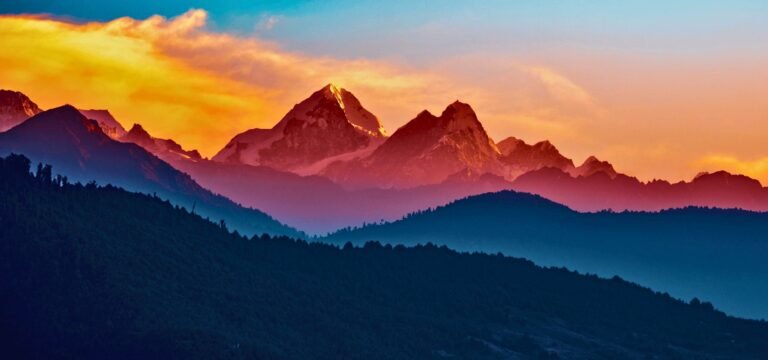
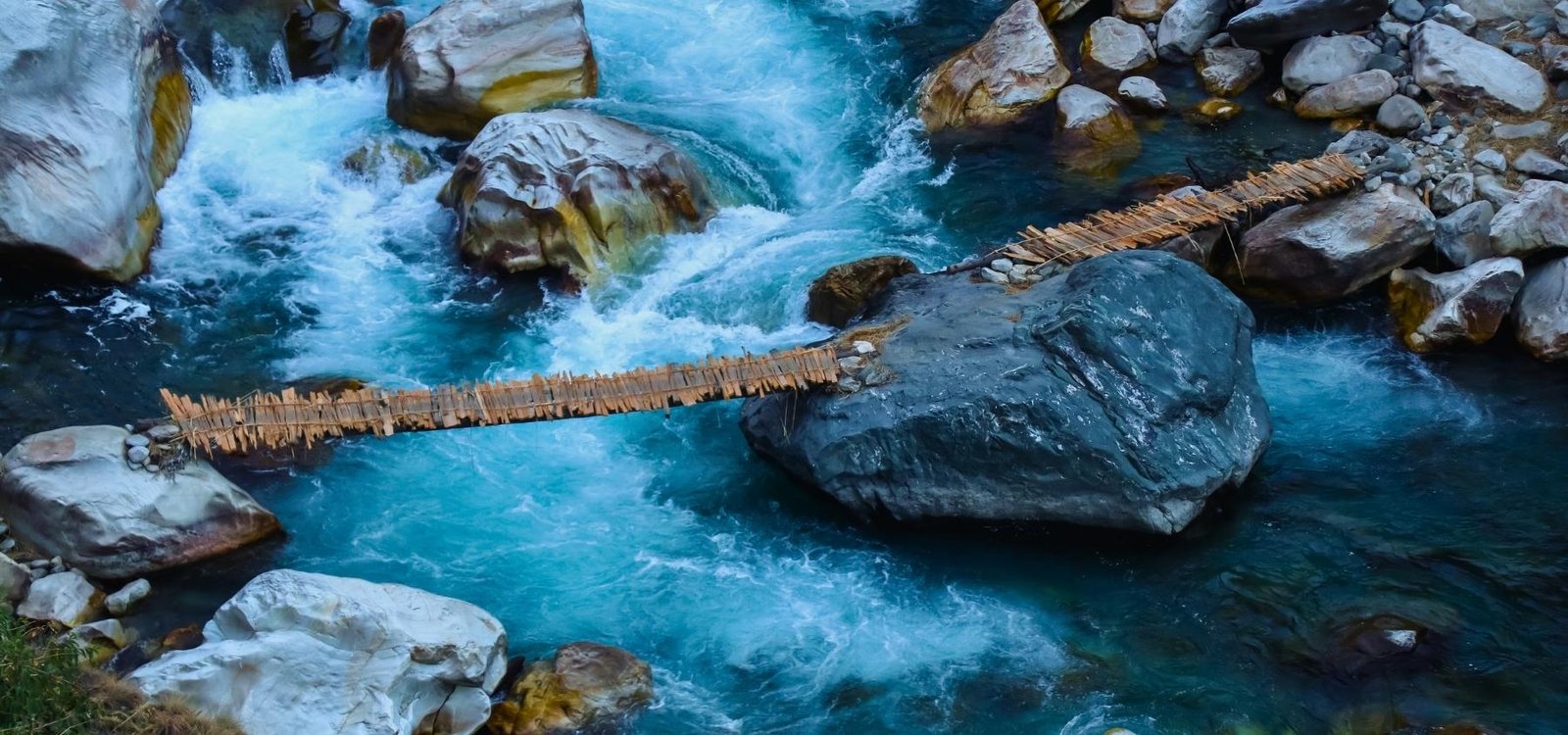
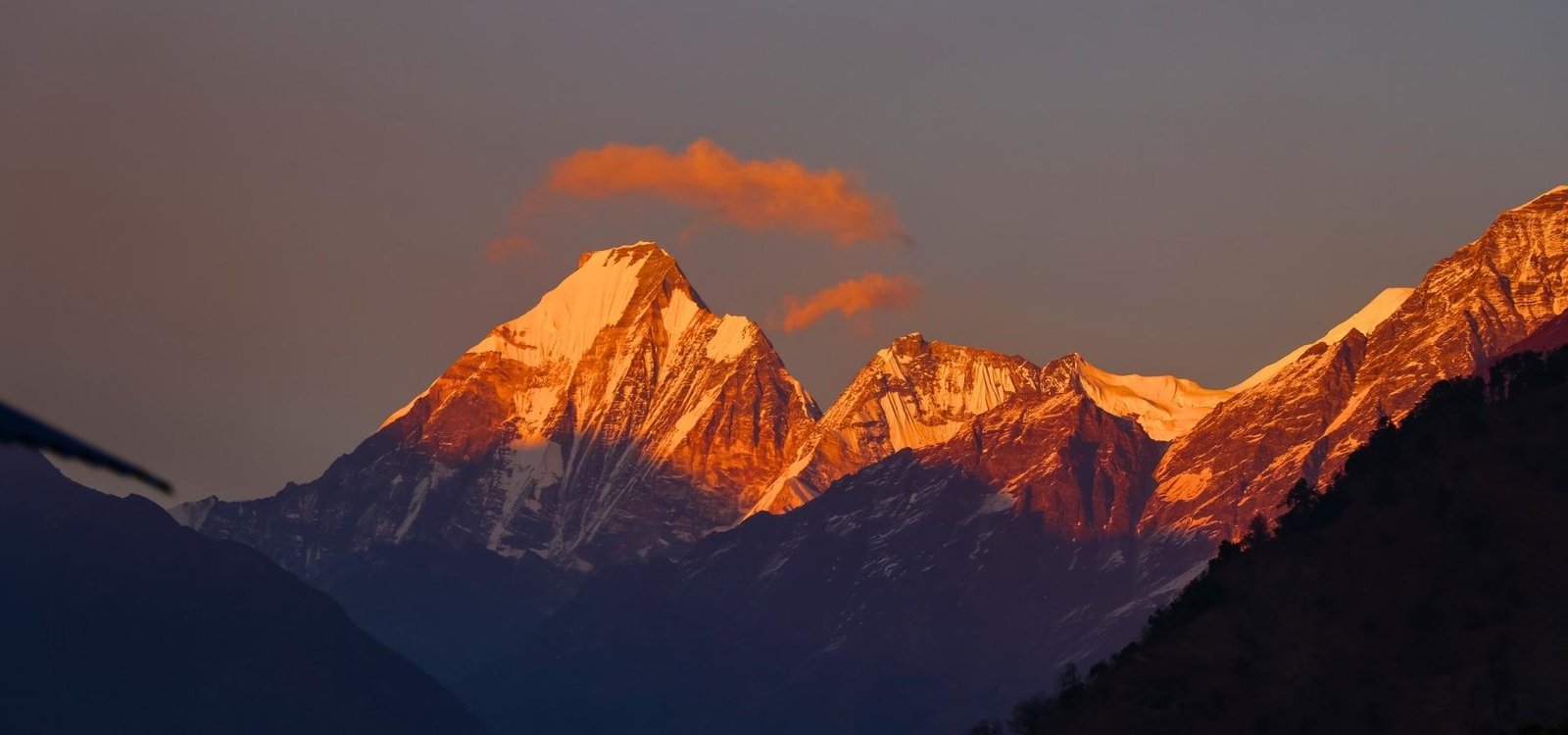
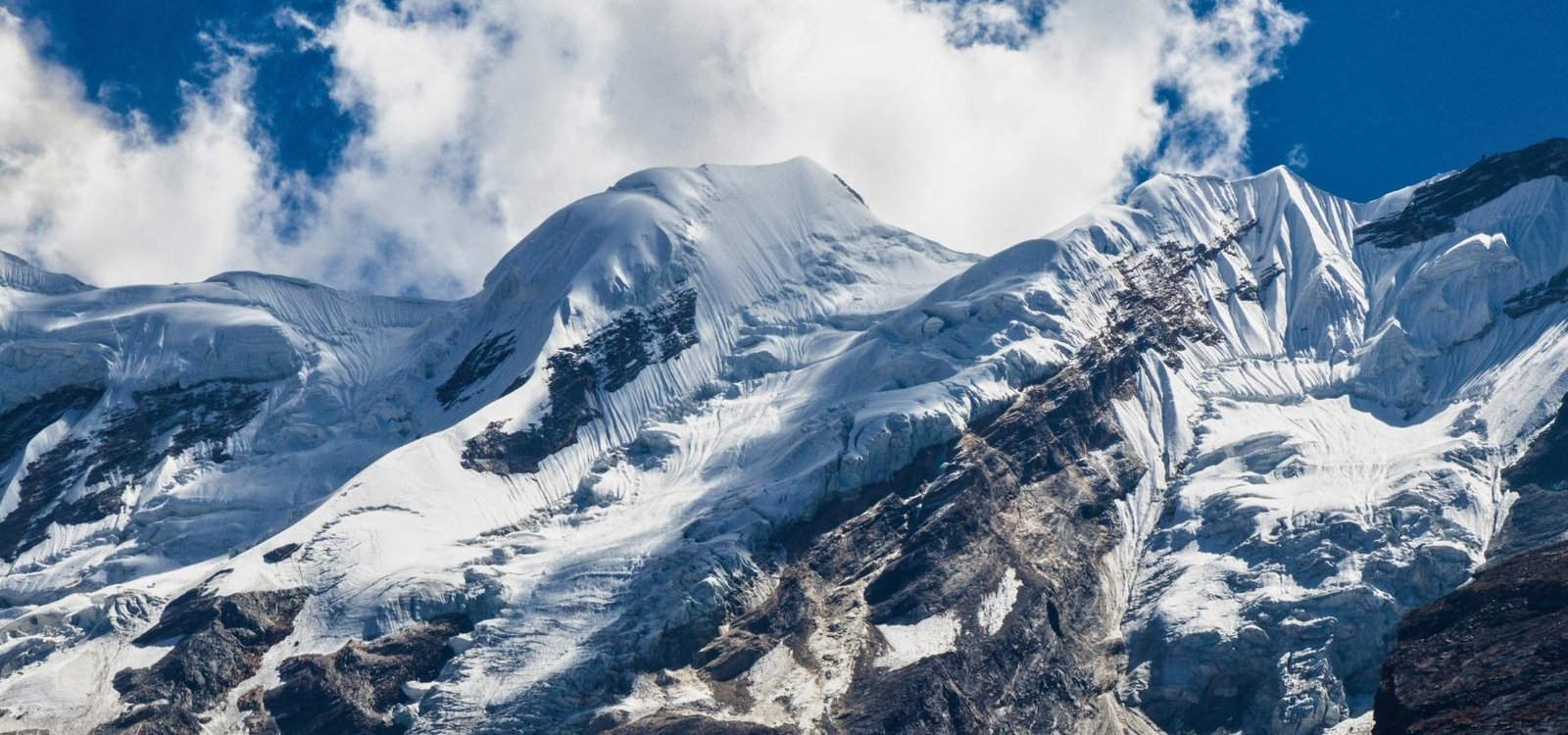
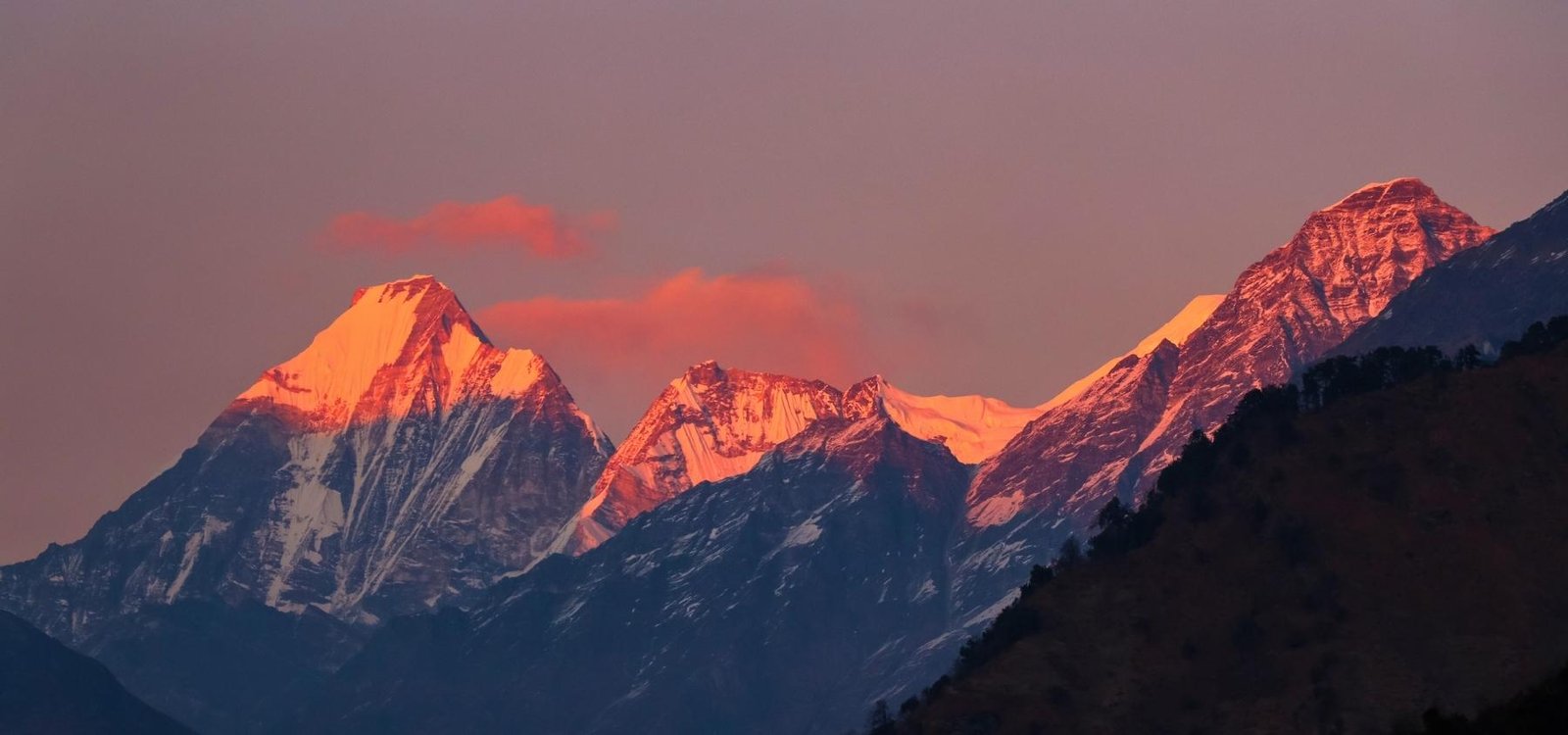
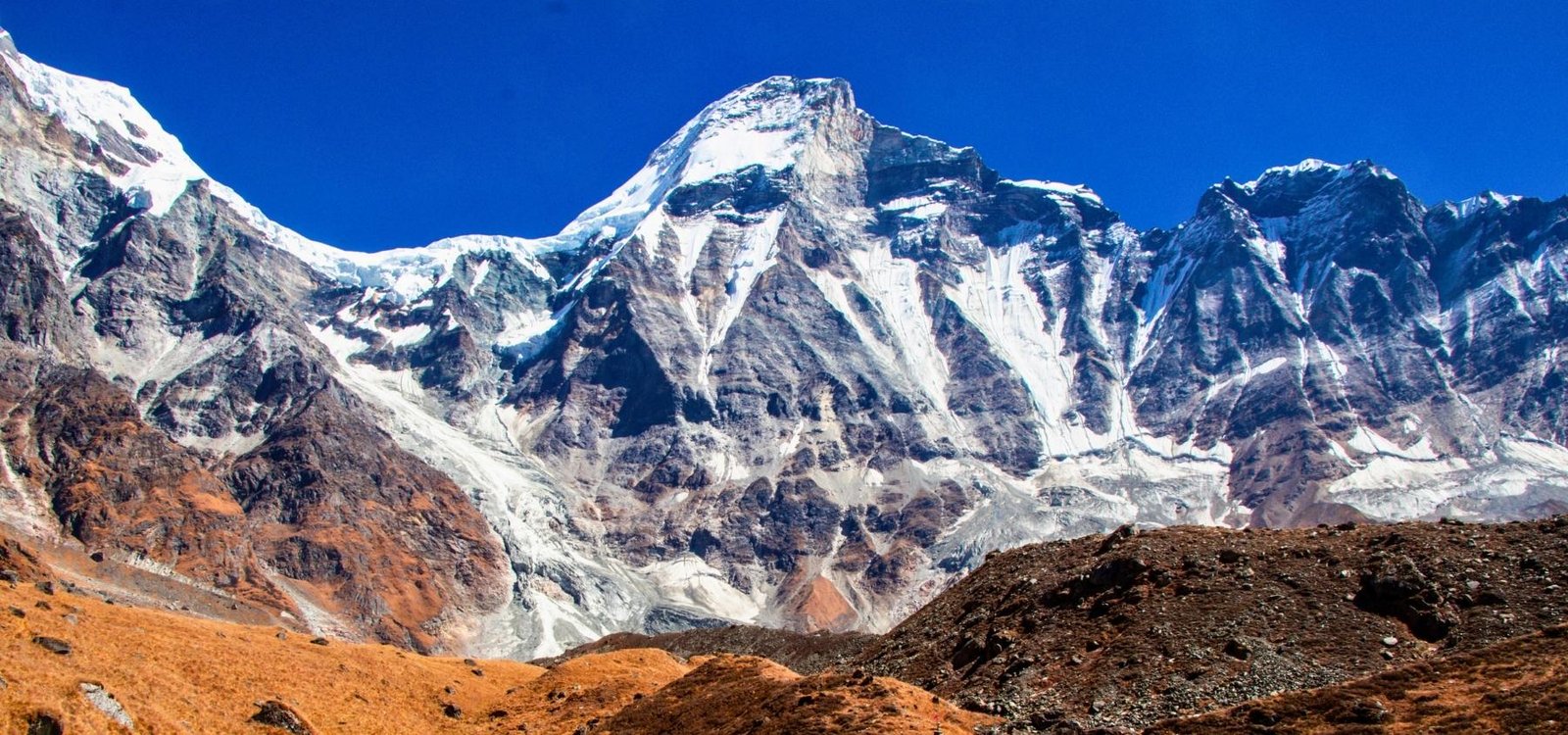
Trekkers embarking on the 14-day Api Himal Base Camp Trek can expect a rugged, deeply authentic expedition into the undiscovered wild frontier of Far-Western Nepal, completely isolated from mainstream tourism. The journey requires a true spirit of adventure as you leave behind modern conveniences to camp under pristine starry skies, navigate untouched alpine valleys, and walk alongside roaring glacial rivers. You will experience a beautiful transition of landscapes, from subtropical lowlands to steep mountain ridges, while encountering the fascinating, centuries-old lifestyles of the culturally distinct Sauka and Byasi communities. Reaching the high-altitude base camp offers a profound sense of solitude, where the ultimate reward is standing in the presence of the soaring, snow-capped Mount Api, surrounded only by the quiet grandeur of nature.
As you step out of the arrival terminal at Tribhuvan International Airport, a representative from Ghale Treks will warmly greet you and escort you to your hotel via a comfortable private vehicle. Once you are settled in, your trekking guide will meet with you to provide a comprehensive briefing and a detailed overview of the incredible adventure ahead. Take the rest of the day to unwind from your journey or explore the bustling streets of Kathmandu at your leisure. Whether you choose to relax at a vibrant local café to savor traditional delicacies or wander through the city’s historic, colorful alleyways, your Himalayan experience begins today.
Your journey begins with a scenic morning flight from Kathmandu to the sub-tropical city of Dhangadhi. Upon landing, we board our private vehicle for a captivating 4-hour drive to Dadeldhura. The route shifts dramatically as you leave the flat Terai plains behind and ascend into the rolling, pristine mid-hills of Far-Western Nepal. Dadeldhura is a beautiful historic hill town, celebrated for its unique cultural charm and panoramic Himalayan vistas.
Altitude: 1,981m (Net Elevation Gain)
Accommodation: Mountain Lodge
Meals: Breakfast, Lunch, Dinner
Spend the morning exploring Dadeldhura’s ancient landmarks and enjoying the crisp mountain scenery. Following lunch, we resume our drive, winding past Gokuleshwor and tracing pristine river valleys before ascending toward Makarigaad. This 6 to 7-hour road journey offers an authentic look at rural settlements and dramatic hillside geography before we arrive at our lodge for the evening.
Accommodation: Mountain Lodge
Meals: Breakfast, Lunch, Dinner
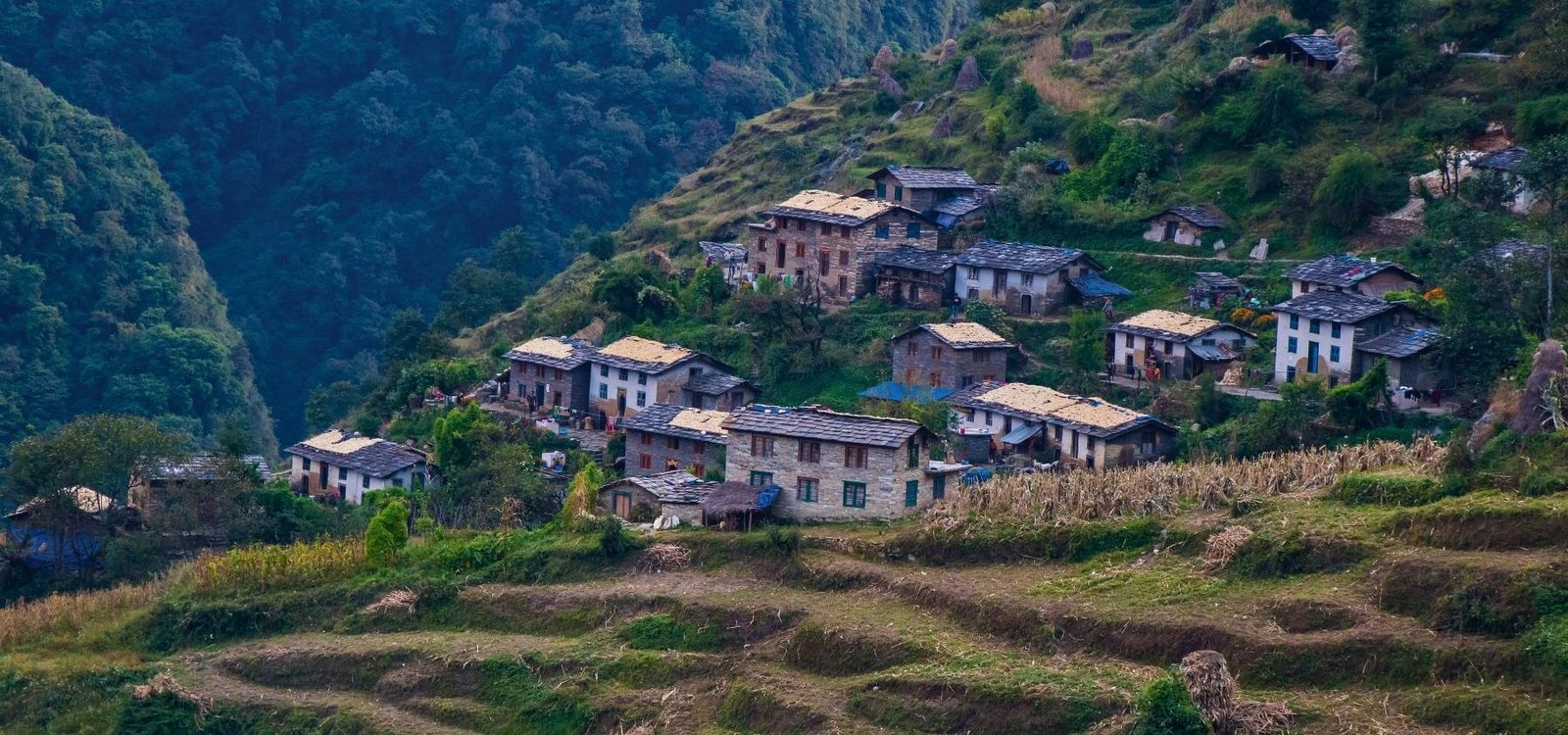
We lace up our boots for the first official day of trekking, embarking on a steady 6 to 7-hour ascent. The trail leads through lush forests, traditional terraced farmlands, and quiet villages. After a well-deserved lunch break in the charming hamlet of Nwali (1,800m), we continue climbing toward Sitigaun, a peaceful and scenic hilltop settlement surrounded by rolling green ridges.
Accommodation: Local Teahouse
Trek Duration: 6–7 hours
Meals: Breakfast, Lunch, Dinner
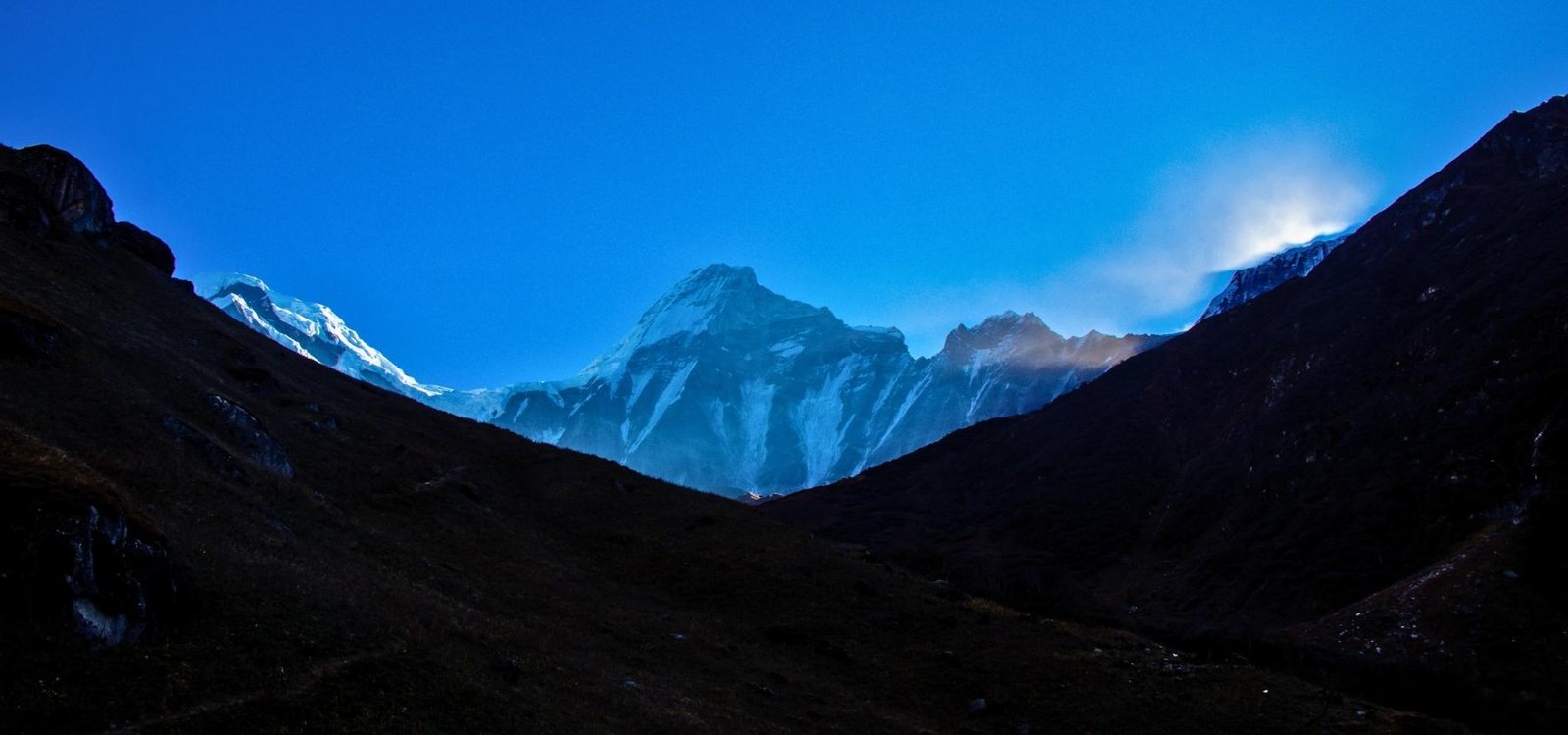
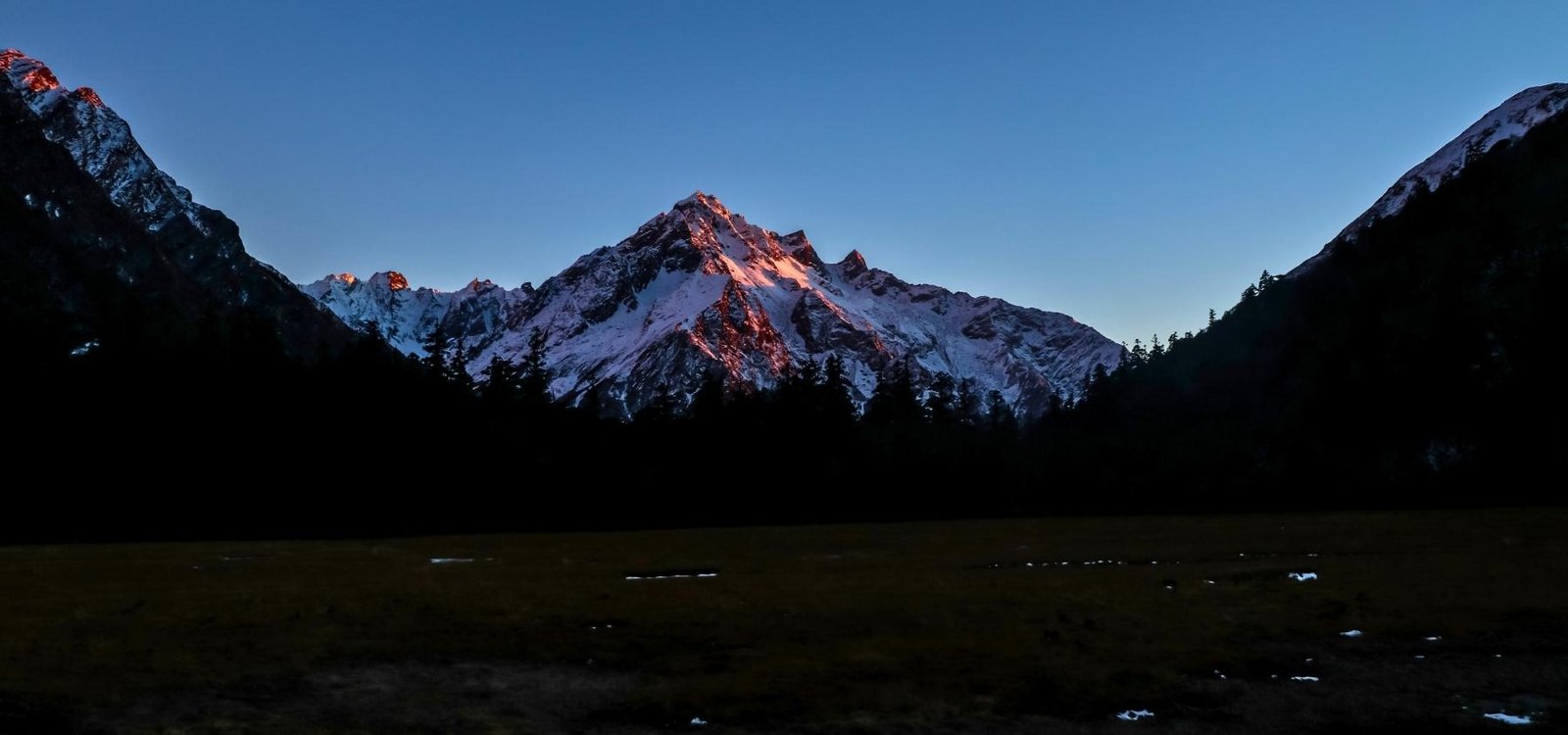
Today’s 6 to 7-hour trek introduces you to pristine alpine terrain and scattered high-altitude settlements. As you climb, the towering peaks of the Api Himal range begin to dominate the horizon. We pause for lunch at Simar (2,600m) before pushing forward to Dhauliodar, a spectacular high-altitude ridgeline campsite resting right beneath the shadow of the majestic Api peaks.
Altitude: 2,991m (Elevation Gain: +900m)
Accommodation: Tented Camp
Trek Duration: 6–7 hours
Meals: Breakfast, Lunch, Dinner
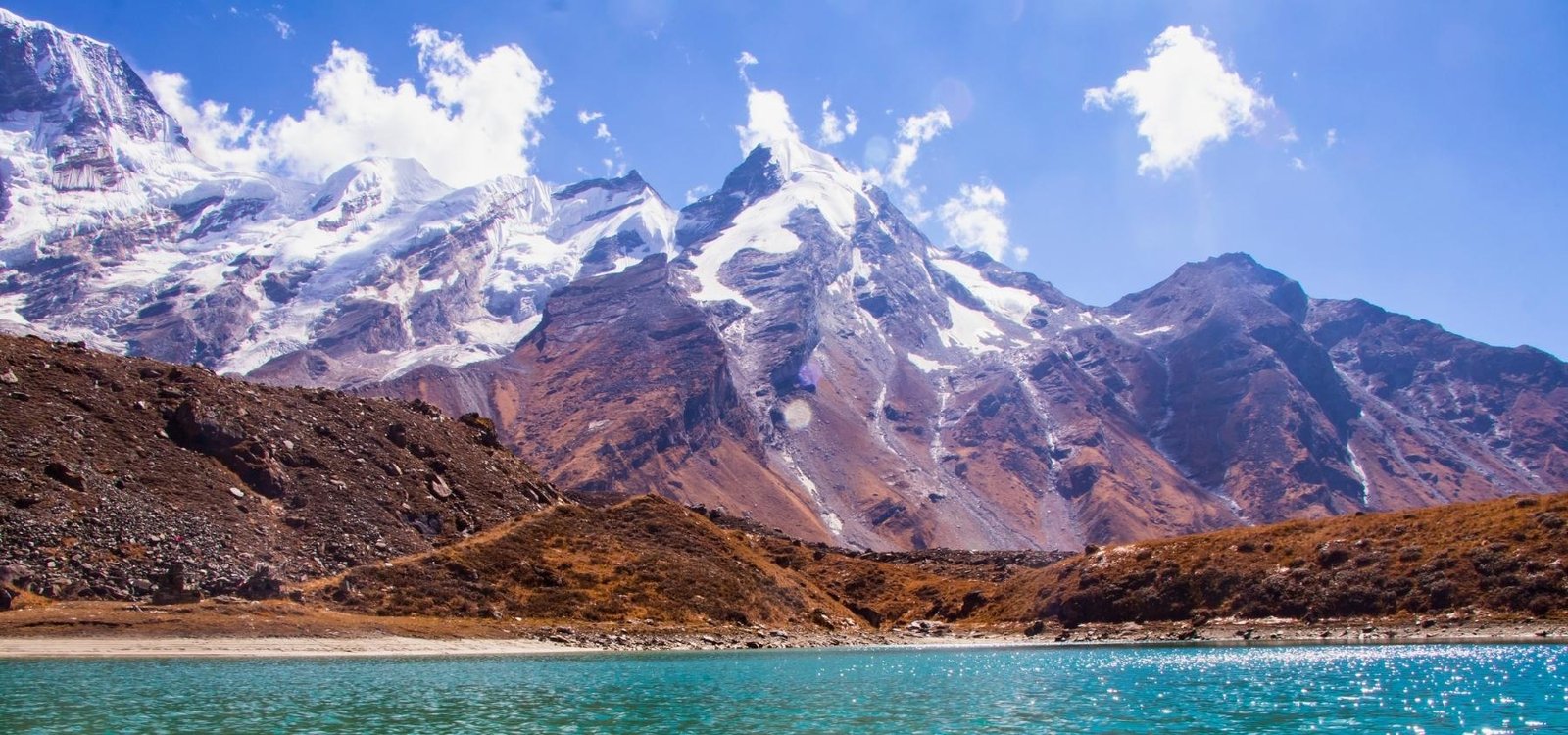
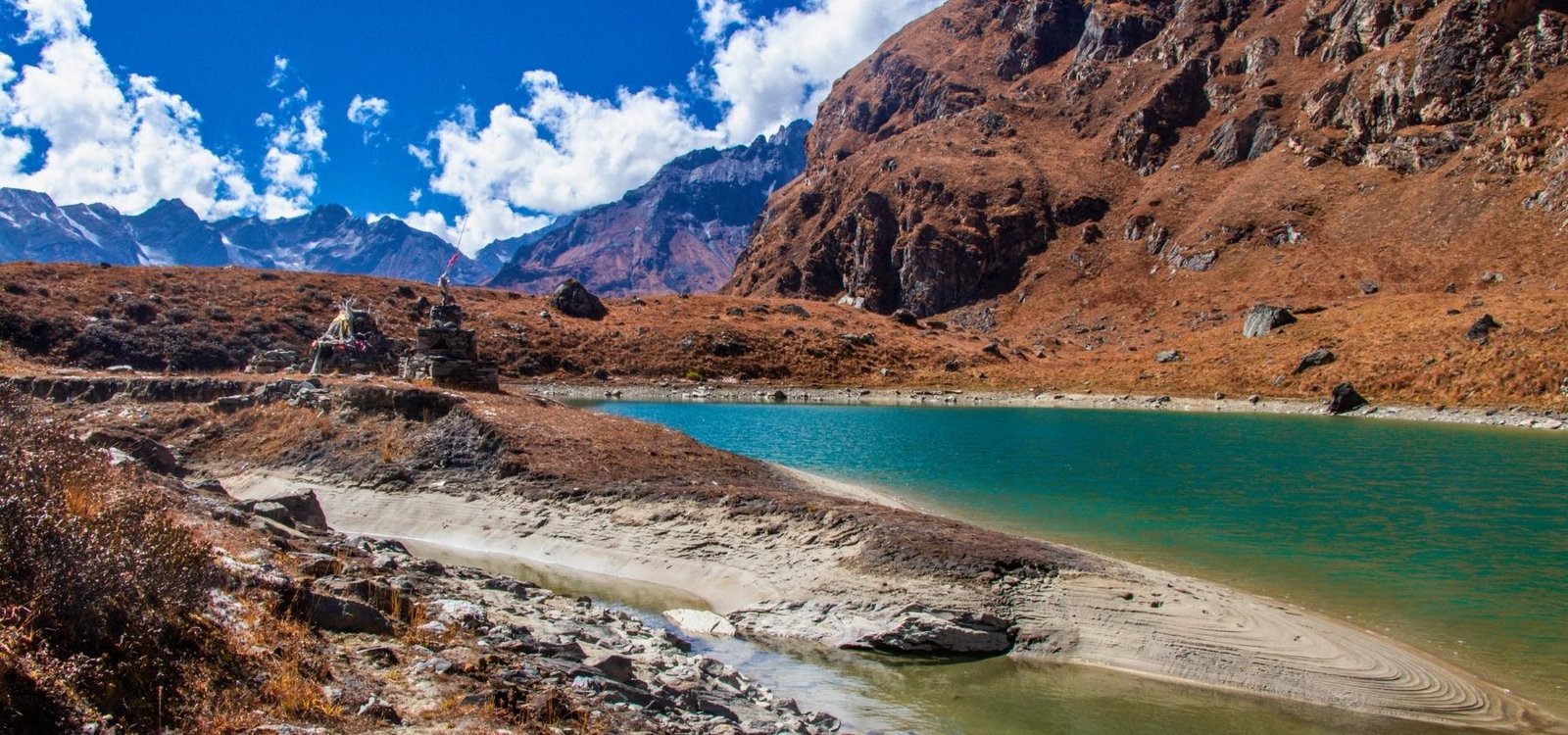
An early morning start rewards us with a breathtaking hike to Api Base Camp. From here, we push further up the glacial moraine to Kali Dhunga Taal, a sacred, emerald-tinted alpine lake framed by a jaw-dropping amphitheater of rock and ice. After absorbing the profound serenity and taking plenty of photos at this spiritual high point, we trace our steps back down to the comfort of our camp at Dhauliodar.
Maximum Altitude: 4,091m (Elevation Gain/Loss: +1,100m )
Accommodation: Tented Camp
Hike Duration: 4–5 hours
Meals: Breakfast, Lunch, Dinner
This day is dedicated to rest and essential altitude acclimatization. For those eager to explore further, we offer an optional day hike to Ringdepani Taal, a pristine, untouched alpine lake hidden deep within a remote glacial valley. This excursion serves as excellent active acclimatization, allowing your body to adjust to the high altitude while revealing hidden pockets of the spectacular Api wilderness.
Altitude: 3,691m (Optional Elevation Gain: $+700m)
Accommodation: Tented Camp
Meals: Breakfast, Lunch, Dinner
Leaving the high ridges behind, we retrace our steps downhill through alpine meadows and vibrant forest trails back toward Sitigaun. The steady descent offers a completely different perspective of the landscape, revealing wide, sweeping valley views and allowing for a relaxed, comfortable walking pace.
Altitude: 2,091m (Elevation Loss: -900m)
Accommodation: Local Teahouse
Trek Duration: 5–6 hours
Meals: Breakfast, Lunch, Dinner
We continue our descent through rural villages, beautifully carved terraced fields, and dense forest paths as we head back to Makarigaad. This 5 to 6-hour trek is physically easier, providing wonderful opportunities to pause, interact with the local communities, and experience the warm hospitality of Far-Western Nepal before checking into our lodge.
Altitude: 1,191m (Elevation Loss: -900m)
Accommodation: Mountain Lodge
Trek Duration: 5–6 hours
Meals: Breakfast, Lunch, Dinner
After breakfast, we board our private vehicle for a full-day scenic drive back to Dadeldhura. We trace winding mountain roads, navigate pristine river valleys, and pass through remote hillside settlements. By late afternoon, we return to the familiar comfort of the historic hill town of Dadeldhura for our overnight stay.
Altitude: 1,981m (Elevation Gain: +790m)
Accommodation: Mountain Lodge
Meals: Breakfast, Lunch, Dinner
Today, we leave the mountains behind and descend toward the tropical lowlands of the Terai. The 4-hour drive showcases Nepal’s incredible ecological diversity as the landscape transitions from rolling green hills into vast agricultural plains. Upon arriving in Dhangadhi, we check into a comfortable city hotel where you can enjoy a hot shower and modern amenities.
Altitude: 150m (Elevation Loss: -1,981m)
Accommodation: Hotel
Drive Duration: 4 hours
Meals: Breakfast, Lunch, Dinner
We transfer to the airport for our morning flight back to Kathmandu. As you soar over the foothills of the Himalayas, you can look back on an incredible journey. This flight marks the official completion of your remote and majestic Api Base Camp adventure with Ghale Treks.
Accommodation: Hotel (Arranged separately)
Meals: Breakfast
Today is yours to enjoy at your own pace in Nepal’s vibrant capital. You can use this free time for souvenir shopping in Thamel, relaxing at a local café, or exploring the city’s hidden courtyards. For those wishing to maximize their experience, Ghale Treks can happily arrange an early morning Everest Mountain Flight or curated day tours of any historic landmarks you may have missed. If you wish to extend your holiday, we can also organize multi-day excursions to the tropical jungles of Chitwan National Park, the lakeside paradise of Pokhara, or the sacred birthplace of Buddha in Lumbini.
Altitude: 1,335m
Meals: Breakfast
Accommodation: Hotel
Your incredible journey with Ghale Treks comes to an end today. A representative from our team will meet you at your hotel and transfer you to Tribhuvan International Airport approximately three hours before your scheduled flight. As you head home, we wish you a safe journey and look forward to welcoming you back for your next Himalayan adventure!
Meals: Breakfast
Accommodation: None
Custom Tailored Flexibility: This itinerary is entirely dynamic and can be seamlessly adjusted to align with your personal pace, specific interests, or physiological acclimatization requirements.
Premium Accommodation Upgrades: Our standard packages feature highly vetted 4-star boutique accommodations in Kathmandu on a bed-and-breakfast basis. For an ultra-luxury experience, these can be seamlessly upgraded to the city’s premier 5-star heritage properties upon request.
Autumn (September to November): This is the most popular time due to clear skies and stable weather, offering stunning, unobstructed views of Mt. Api (7,132 m) and crisp mountain air. Spring (March to May): The lower trails are vibrant with blooming rhododendrons and wild orchids, making it an incredibly beautiful and colorful time to trek.
Fitness Level: High physical fitness is essential. You must prepare for long, steep walking days (5 to 7 hours) over unpaved, rugged terrain. Cardiovascular training, leg strength training, and endurance exercises are highly recommended. Medical Check-up: Consult with your doctor to ensure you are fully fit for high-altitude trekking, as you will be ascending rapidly to over 4,000 meters in a completely isolated region.
Trekking Permits: Ghale Treks will fully arrange your domestic flight tickets to Dhangadhi, your mandatory Trekkers’ Information Management System (TIMS) card, the Api Nampa Conservation Area (ANCA) entry permit, and the Special Restricted Area Permit (RAP) required for the Darchula border region. Travel Insurance: You must independently secure comprehensive travel insurance that explicitly covers high-altitude trekking up to 5,000 meters and emergency helicopter evacuation, as there are no medical facilities on the trail.
Clothing: Layered clothing is critical for extreme temperature fluctuations. Pack thermal base layers, a down jacket, a windproof/waterproof jacket, and broken-in, sturdy trekking boots. Gear: A high-quality 40-50L backpack, a four-season sleeping bag (essential for freezing camp nights), trekking poles, a headlamp with extra batteries, and a premium power bank or solar charger. Personal Items: High-SPF sunscreen, polarized sunglasses, a wide-brimmed hat, biodegradable toiletries, water purification tablets/filters, and a well-stocked personal first-aid kit.
Lodging: The first few days feature basic local homestays. The upper sections toward the base camp have zero teahouses, requiring fully self-sufficient tented camping (fully coordinated and set up by the Ghale Treks expedition crew). Food: Simple, traditional local meals (like Dal Bhat) are provided at the homestays. During the camping days, your dedicated Ghale Treks kitchen staff will prepare all your fresh, high-energy meals. It is smart to carry your own favorite energy bars, nuts, and snacks.
Guides: Your trek will be led by a licensed, English-speaking guide provided by Ghale Treks who knows the far-western terrain, manages wilderness logistics, and monitors your health safety. Porters: Dedicated porters from the Ghale Treks team will carry the heavy main baggage and camping equipment, allowing you to walk comfortably with just a light daypack.
Respect Local Customs: The far-west region is culturally traditional and untouched by mainstream tourism. Dress modestly, always ask permission before taking photos of locals or religious sites, and walk clockwise around shrines. Language: The local communities speak unique dialects alongside Nepali. Learning basic greetings like “Namaste” will be warmly received and highly appreciated.
Altitude Sickness: Api Himal Base Camp sits at roughly 4,200 meters. Learn the symptoms of Acute Mountain Sickness (AMS), communicate any headaches or nausea immediately to your guide, and strictly follow the built-in acclimatization schedule. Hydration: Drink at least 3 to 4 liters of purified water daily to help your body adapt to the thinning air and prevent altitude-related illnesses.
Leave No Trace: Because the Api Nampa Conservation Area is a pristine, untouched ecological zone, strictly follow “Leave No Trace” principles to preserve the natural wilderness. Waste Management: Pack out what you pack in. Carry all non-biodegradable waste (such as plastic wrappers and batteries) back out with you, as there is no waste management infrastructure on this wild trail.
Planning ahead and being well-prepared will ensure you have a safe and memorable trekking experience. Enjoy your adventure to Api Himal!
Packing for a 14-day Api Himal Base Camp Trek requires careful consideration to ensure you have everything you need while keeping your load manageable. Because this is a highly remote, off-the-beaten-path camping expedition rather than a standard teahouse trek, being well-prepared for freezing alpine temperatures and lack of infrastructure is vital. Here’s a comprehensive packing list:
Clothing
Footwear
Gear
Personal Items
Documents and Money
Optional Items
Environmental Responsibility
Packing smartly will ensure you have a comfortable and enjoyable trekking experience. If you have any specific questions or need further details, feel free to ask!
Altitude and Acclimatization: While the Api Himal Base Camp Trek reaches high altitudes (up to 4,200 meters or 13,780 feet at Base Camp and Kali Dhunga Lake), the rapid ascent from the lowlands makes proper acclimatization crucial. It’s essential to take your time, maintain a steady pace, and listen to your body. If you experience signs of altitude sickness—such as headache, nausea, or dizziness—inform your Ghale Treks guide immediately, descend to a lower altitude, and rest.
Local Currency: The Nepalese Rupee (NPR) is the currency in Nepal. While Dhangadhi or Dadeldhura may have ATMs, they are non-existent on the trail and often unreliable for international cards in remote districts. It is vital to exchange and carry enough cash from Kathmandu to cover personal expenses, snacks, and tips for your trekking crew, as no credit cards or electronic payments are accepted along the route.
Connectivity: Mobile network coverage (Nepal Telecom or Ncell) is highly inconsistent and completely disappears after you pass the village of Siti. Do not expect Wi-Fi or reliable electricity in the upper regions. It is highly recommended to bring a heavy-duty power bank and extra batteries for your devices, keeping them warm at night to prevent drainage from the cold.
Photography Tips: The Api Himal region presents raw, untouched photography opportunities of pristine landscapes and traditional lifestyles. Because this area sees very few tourists, always ask for explicit permission before photographing local people, especially during sacred rituals or inside private homesteads.
Wildlife Awareness: The Api Nampa Conservation Area is home to unique and endangered flora and fauna, including the snow leopard, Himalayan musk deer, and various bird species. Keep a respectful distance, stick to the designated trails, and observe quietly to enjoy the wildlife without disturbing their natural habitat.
Cultural Etiquette: When interacting with the local Doteli-speaking communities, greet individuals with a polite “Namaste” (with hands together in a prayer position) as a sign of respect. Dress modestly, and strictly follow your guide’s instructions regarding local taboos and customs when visiting sacred sites like Shivadhara or holy lakes.
Emergency Contact Information: Because the far-western region is incredibly remote with limited medical infrastructure, ensuring your safety is paramount. Ghale Treks will maintain communication protocols, but you must ensure your travel insurance explicitly covers high-altitude trekking up to 4,500 meters and includes emergency helicopter evacuation.
Food and Water Safety: Meals on this route are traditional, simple, and carbohydrate-heavy (primarily Dal Bhat) to sustain your energy. While your trekking crew or local hosts will prepare safe meals, you must never drink unboiled water from local streams. Always use water purification tablets or a reliable filtration system throughout the journey.
Fitness and Health Maintenance: This trek is physically demanding, featuring rugged terrain and steep climbs. Daily stretching, staying well-hydrated (at least 4 liters of water per day), and maintaining good nutrition are essential to keep your energy levels up and prevent muscle fatigue or injuries on the trail.
Group Dynamics: The Api Himal Trek relies heavily on a mix of community homestays and wilderness camping. Open communication with your fellow trekkers and your Ghale Treks crew regarding hiking pace, daily schedules, and camp responsibilities is crucial to creating a cohesive, supportive, and enjoyable team environment.