Discover ✦ Explore ✦ Protect
Ghale Treks | Leading Himalayan DMC, Travel & Trekking Company Since 2000
enja

Login

Sign Up

After creating an account, you'll be able to track your payment status, track the confirmation and you can also rate the tour after you finished the tour.
Username*
Password*
Confirm Password*
First Name*
Last Name*
Birth Date*
Email*
Phone*
Country*
* Creating an account means you're okay with our Terms of Service and Privacy Statement.
Please agree to all the terms and conditions before proceeding to the next step

Already a member?

Login

Ganesh Himal Panorama Trek: 18-Day Wilderness Journey

0
Exclusive Sacred Deals
From$3,550$3,300
Exclusive Sacred Deals
From$3,550$3,300
Booking Form
Enquiry Form
Full Name*
Email Address*
Your Enquiry*
* I agree with Terms of Service and Privacy Statement.
Please agree to all the terms and conditions before proceeding to the next step
Available: 12 seats
* Please select all required fields to proceed to the next step.

Proceed Booking

Save To Wish List

Adding item to wishlist requires an account

7

Book With Confidence

  • Best Deals and Discounts
  • Support Available 24/7
  • Curated Travel Experiences
  • Commitment to Responsible Travel

Get in Touch

We’re here to help! Contact us today to speak with one of our expert travel consultants.
+977.1.4520.914

info@ghalegroup.com

17 Nights 18 Days
Availability : 01 Jan' - 31 Dec'
Kathmandu, Nepal
Ganesh Himal
Min Age : 6+
Max People : 12
Trip Overview

Departure & Return Location

Kathmandu, Nepal

Tour Type

Private Tour

Price Includes

  • Accommodation: Enjoy 3-4 star standard hotels in Kathmandu and Pokhara in a standard room, as well as comfortable lodging in local tea houses, guest houses, and lodges during your trek. (Twin Sharing)
  • Meals: Fuel your trekking adventure with hearty breakfasts at local tea houses, savor packed lunches or meals at tea houses along the trekking route, and delight in authentic Nepali dinners prepared with local ingredients and flavors.
  • Airport Transfers: Smooth transportation with Kathmandu Airport/hotel pickup and drop-off services.
  • Overland Drive: A comfortable car ride from your hotel in Pokhara to the trek starting point in Kande, and from Siding to Pokhara.
  • Trekking Permits: All necessary trekking permits and TIMS (Trekkers’ Information Management System) card.
  • Transportation: Round-trip travel by tourist coach between Kathmandu and Pokhara.
  • Expert Guidance: An experienced English-speaking trek guide will accompany you throughout the trek for safety and insights, ensuring an enriching experience.
  • Assistance Guide: An assistance guide will be provided for groups with more than 5 participants.
  • Meals as per Itinerary: All specified meals are included to enhance your trekking experience.
  • First Aid Kit: A comprehensive first aid kit will be available for emergency situations during the trek.
  • Staff Insurance: Insurance coverage for the trekking guide and trekking staff, ensuring their safety and well-being during the trip.

Price Excludes

  • Expenses of personal nature: Any personal expenses, such as souvenirs or additional items not included in the itinerary, will be your responsibility.
  • Laundry fees: Any laundry services required during your trip will be charged separately.
  • All kinds of drinks (soft & hard drinks): Beverages, including both non-alcoholic and alcoholic drinks, are not included in the package.
  • Lunch & Dinner in Kathmandu and Pokhara: Meals taken outside the specified itineraries in Kathmandu and Pokhara are not covered, allowing you the flexibility to explore local dining options as you wish.
  • Tips to Guide & Porter: Gratuities for your trekking guide and porter are not included and are at your discretion based on the level of service received.
  • Fees for hot water & internet if applied during the trek: Charges for hot water and internet services in lodges and tea houses during the trek are not included.
  • Emergency evacuation: Any expenses incurred for emergency evacuation or medical assistance are not included.
  • Porter on hire: The cost of hiring an additional porter for your personal belongings (if required) is not included in the package price.
  • All that is not mentioned in the cost includes section: Any additional services or activities not specifically listed in the included costs will be excluded.

Cancellation policy

  • More than 60 days before departure: Full refund minus a processing fee.
  • 30 to 60 days before departure: 50% of the trip cost will be refunded.
  • 7 to 29 days before departure: 25% of the trip cost will be refunded.
  • Less than 7 days before departure: No refund will be issued.
What to Expect

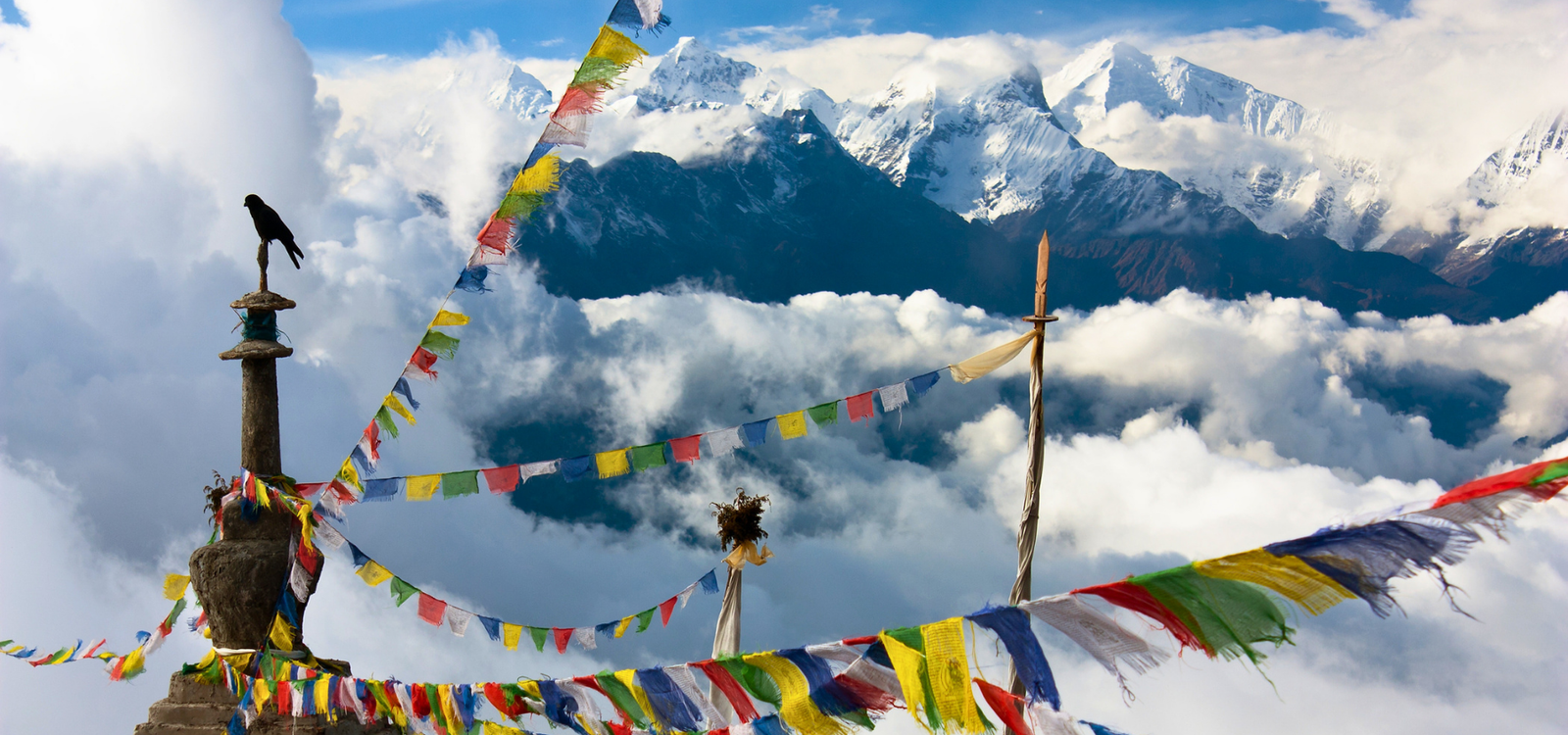
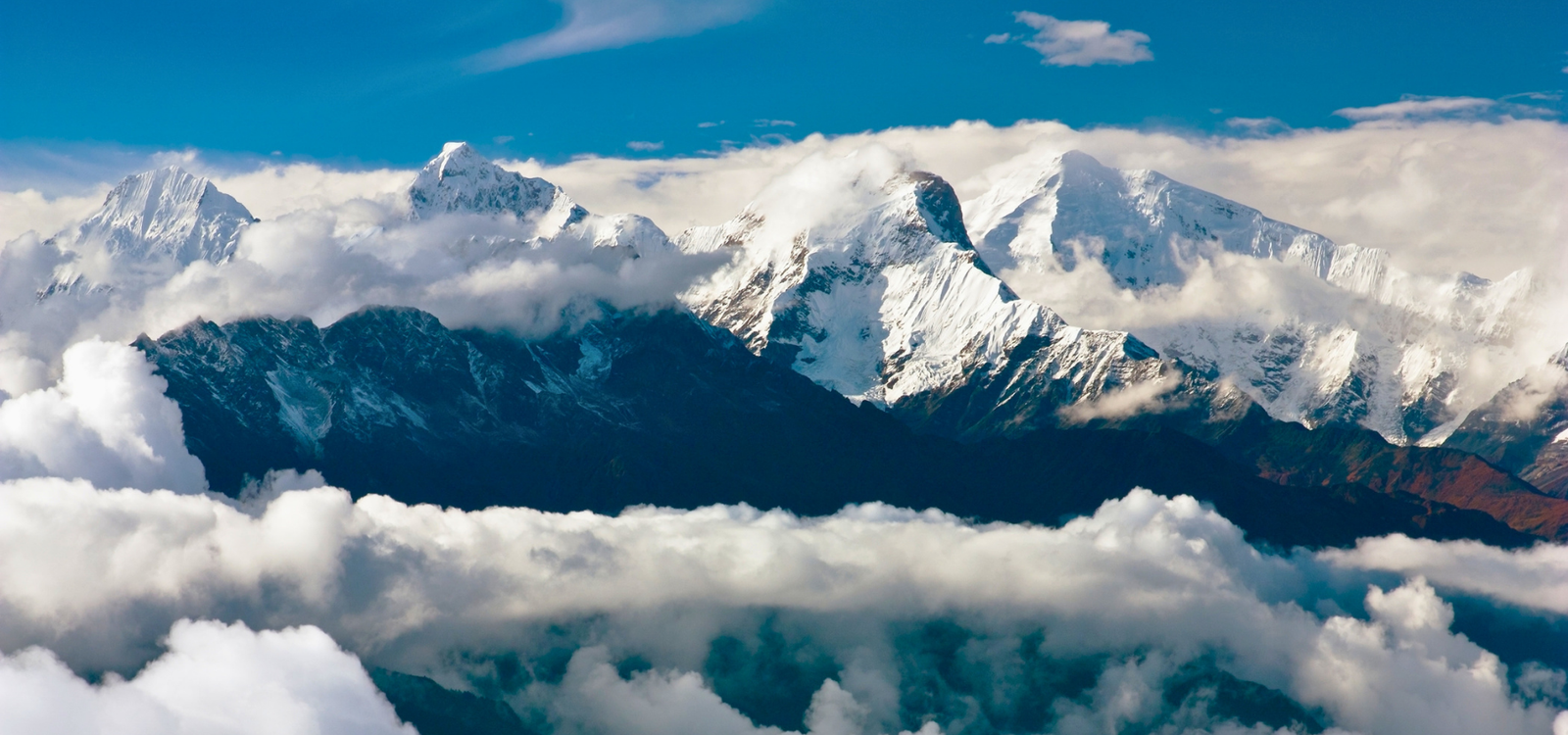
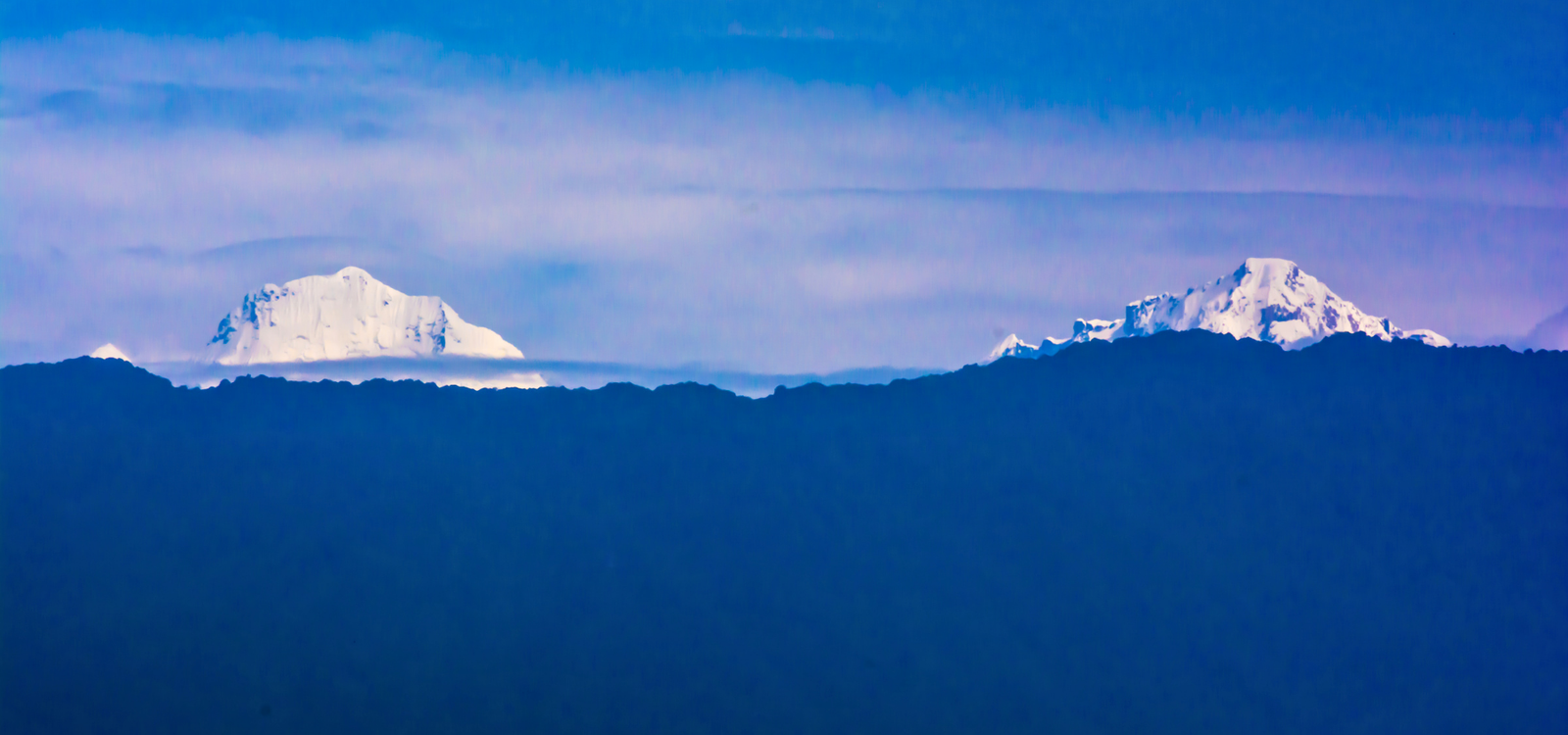
The 18-day Ganesh Himal Trek offers a rare opportunity to traverse an “off-the-beaten-path” sanctuary that remains largely untouched by mainstream tourism. Trekkers can expect a profound sense of isolation and tranquility as they journey through the pristine Ruby Valley, transitioning from lush subtropical lowlands and terraced Brahmin farmlands to high-altitude alpine meadows and glacial lakes. This expedition is as much a cultural odyssey as it is a physical challenge; you will be welcomed into traditional Tamang villages where ancient Shamanic and Buddhist rituals are still part of daily life. With Ghale Treks, guests can anticipate a high standard of professional camping logistics, ensuring safety and comfort while exploring rugged ridgelines that boast some of the most expansive panoramic views of the Langtang, Manaslu, and Ganesh Himal ranges.

Trip Highlights
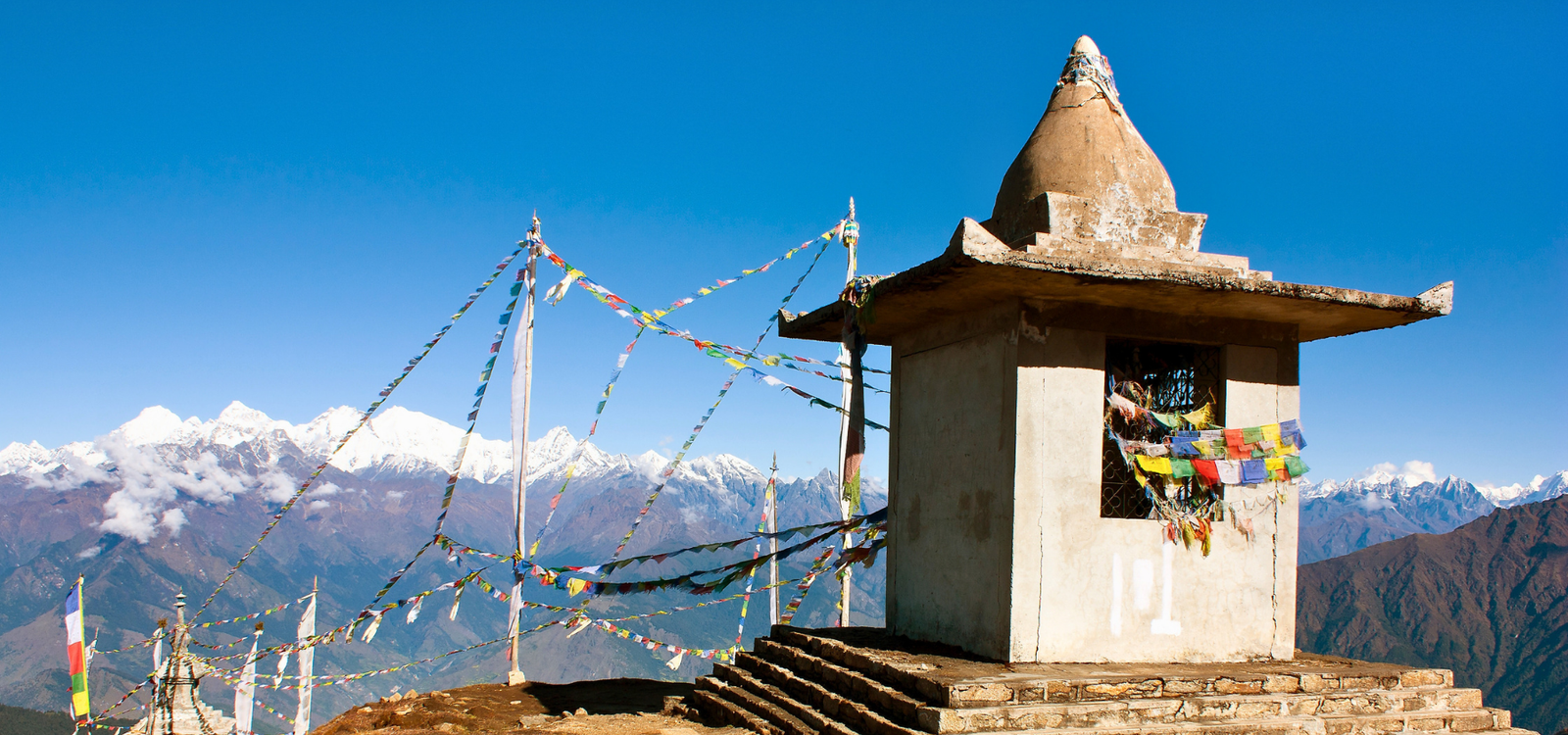
  • Pangsang La (Pass) Panorama: Reaching the 3,842m Pangsang Pass provides a breathtaking 270-degree view of the central Himalayas, including clear vistas of the Manaslu, Annapurna, and Langtang massifs.
  • The Sacred Lakes (Kalo & Seto Kunda): Visit the mystical Black and White Lakes situated at the foot of the Ganesh Himal glaciers, sites of deep religious significance for both Hindu and Buddhist pilgrims.
  • Authentic Cultural Immersion: Experience the legendary hospitality of Shertung and Tipling, where you can observe traditional Tamang "Jhakri" (Shaman) dances and explore centuries-old monasteries.
  • The Ruby Valley Mysteries: Explore the geological intrigue of the region, passing through valleys once famous for the extraction of rubies, crystals, and zinc, adding an element of adventure to the natural scenery.
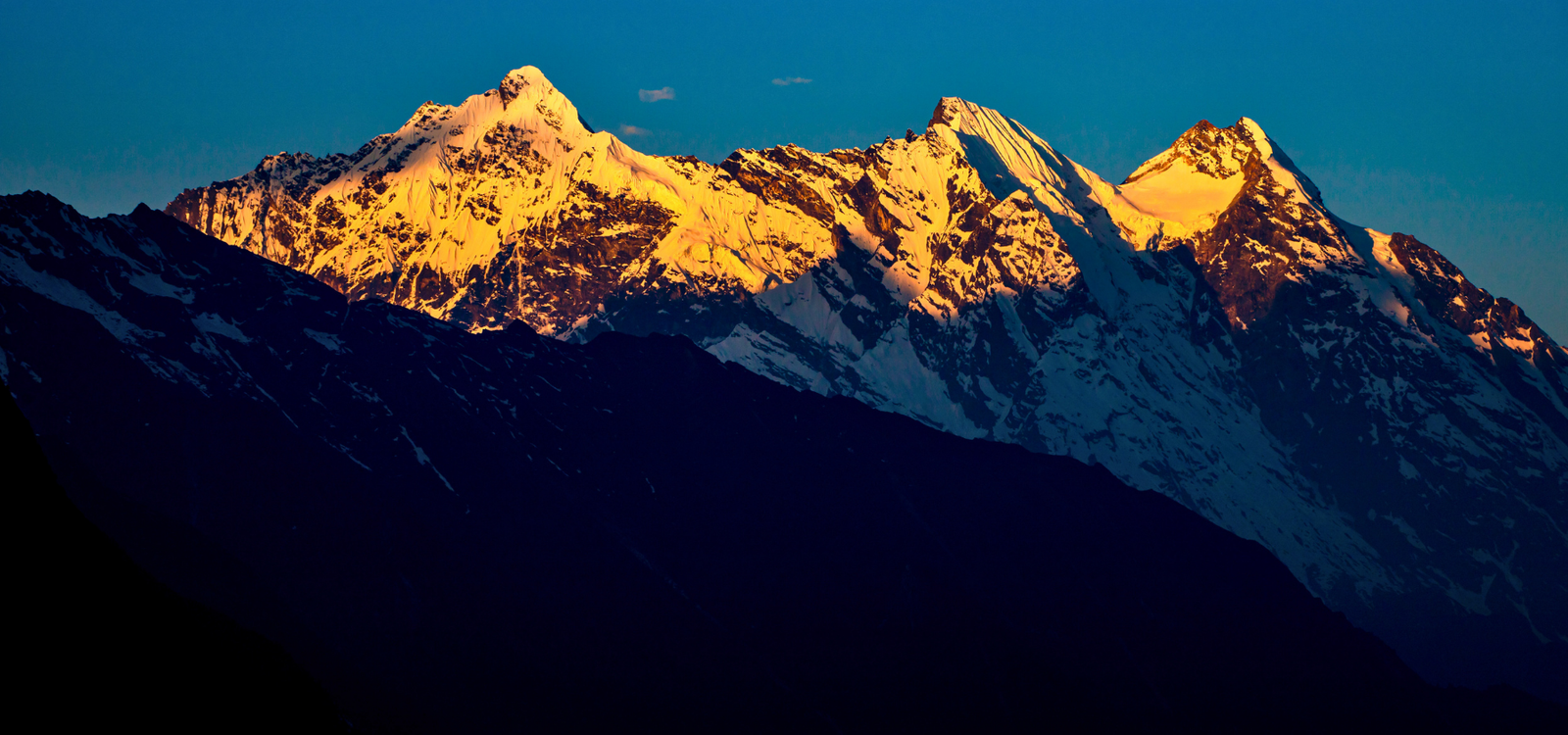
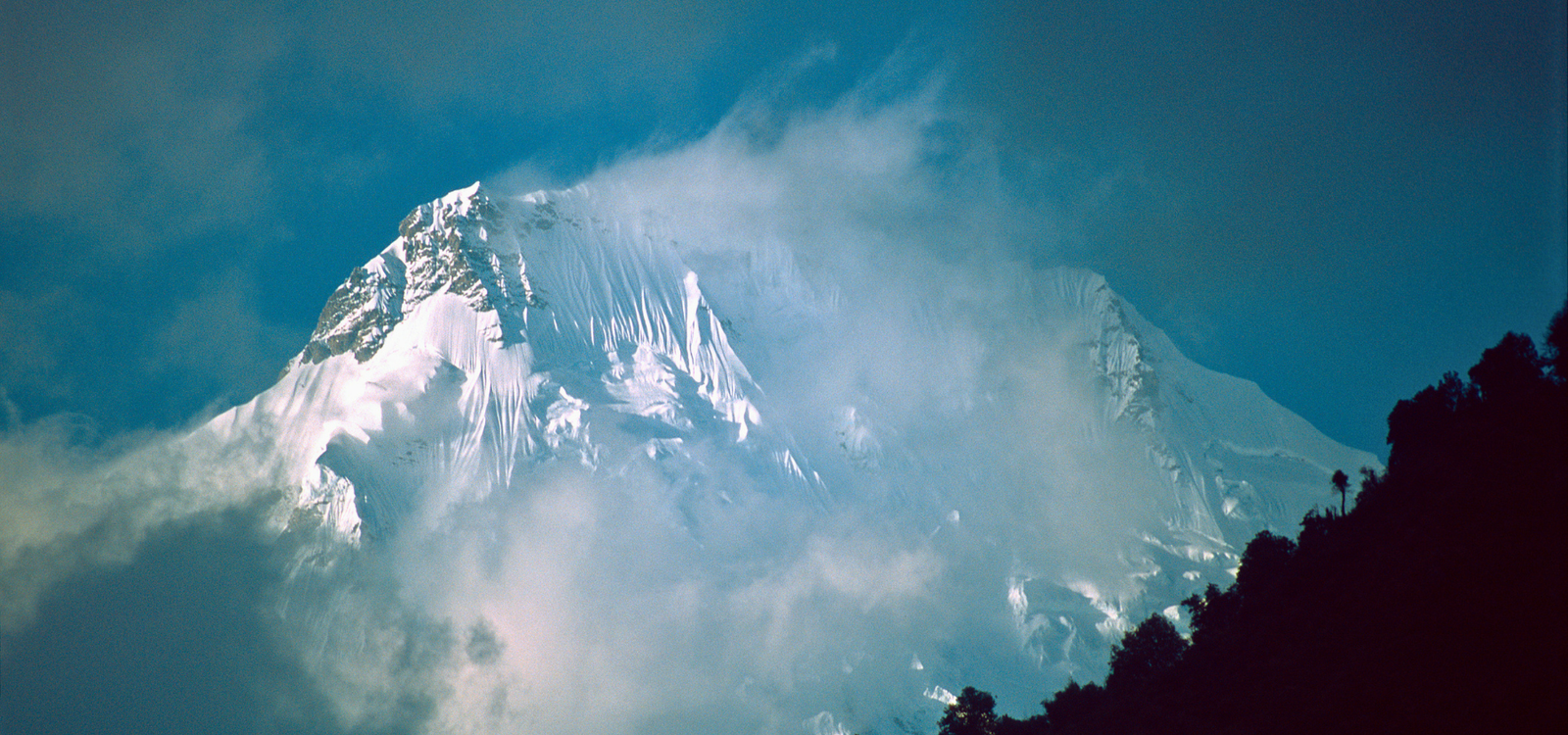
  • Ganesh Himal Base Camp: Stand at the threshold of the towering Ganesh I (7,422m) and Ganesh II peaks, enjoying a serene campsite in a high-altitude wilderness that few travelers ever witness.
Itinerary

Day 1: Arrival in Kathmandu

Upon your arrival at Tribhuvan International Airport (TIA), a Ghale Treks representative will be waiting outside the terminal with a personalized display board. You will be escorted to your hotel in a private vehicle. In the evening, your trek leader will conduct a comprehensive briefing session to discuss the route, safety protocols, and gear requirements.

  • Altitude: 1,350 m

  • Meals: Breakfast

  • Accommodation: Hotel

Day 2: Kathmandu Cultural Sightseeing

Embark on a guided exploration of Kathmandu’s spiritual and historical landmarks, including several UNESCO World Heritage Sites (Kathmandu Durbar Square, Swoyambhunath Stupa, Bouddhanath Stupa and Pashupatinath Temple). While you immerse yourself in the city’s rich Newari culture and ancient architecture, our team will finalize any remaining permits. A final pre-trek check will be conducted in the evening.

  • Altitude: 1,350 m

  • Meals: Breakfast

  • Accommodation: Hotel

Day 3: Kathmandu to Ghatlang via Syabru Besi

We begin our journey with a scenic drive heading north. Following the banks of the Trishuli River, we enjoy views of Ganesh Himal and lush terraced hills. The road transitions from the highway to the winding ridgelines of Dhunche before reaching Syabru Besi. We continue to Ghatlang, a traditional Tamang “heritage” village, which serves as our official trailhead.

  • Drive Time: 7–8 hours

  • Altitude: 2,238 m

  • Meals: B, L, D

  • Accommodation: Tented Camp

Day 4: Gatlang to Somdang

Today’s trek ascends through pristine pine and rhododendron forests toward Yuri Kharka. After crossing Khurpu Bhanjyang, we descend to the Somdang River—the natural border between Rasuwa and Dhading. Along the way, we explore the remnants of old zinc and ruby mines and marvel at the 200m Chukarma Waterfall.

  • Walk Time: 6–7 hours

  • Altitude: 3,258 m

  • Meals: B, L, D

  • Accommodation: Tented Camp

Day 5: Somdang to Pangsang Pass (La)

A shorter but breathtaking day. We climb to the Pangsang Pass, widely considered one of the finest viewpoints in the central Himalayas. From this meadow, you are treated to a 270-degree panorama encompassing the Langtang, Ganesh Himal, Manaslu, and Annapurna ranges.

  • Walk Time: 3–4 hours

  • Altitude: 3,842 m

  • Meals: B, L, D

  • Accommodation: Tented Camp

Day 6: Pangsang Pass to Shertung/Chalise

We descend through dense bamboo and pine forests toward Tipling, a significant village hosting two ancient Buddhist monasteries. After crossing the Adha Khola, we ascend to the twin villages of Shertung (meaning “Place of Gold”) and Chalise, where the local hospitality is as golden as the legend suggests.

  • Walk Time: 5–6 hours

  • Altitude: 1,875 m

  • Meals: B, L, D

  • Accommodation: Tented Camp

Day 7: Shertung to Hindung

The trail winds through the “Tin Kanya” Hindu temple and several small settlements before reaching the Tribeni River, a sacred confluence for both Hindus and Buddhists. We finish the day at Hindung, the final permanent settlement before we push toward the Base Camp.

  • Walk Time: 5–6 hours

  • Altitude: 2,220 m

  • Meals: B, L, D

  • Accommodation: Tented Camp

Day 8: Hindung to Rajgang Kharka

As we leave human settlements behind, the trail climbs steadily through rhododendron forests. This area is a haven for local birdlife and wildlife. Rajgang Kharka is a high-altitude summer pasture used by local shepherds, offering a serene, wilderness camping experience.

  • Walk Time: 5–6 hours

  • Altitude: 2,570 m

  • Meals: B, L, D

  • Accommodation: Tented Camp

Day 9: Rajgang Kharka to Ganesh Himal Base Camp (Kalo Seto Kunda)

Our path narrows as we ascend into the alpine zone. Trees give way to hardy alpine grasses as we reach the Ganesh Himal Base Camp, situated near the sacred Black and White Lakes (Kalo & Seto Kunda). The proximity to the towering peaks is truly humbling.

  • Walk Time: 6–7 hours

  • Altitude: 3,774 m

  • Meals: B, L, D

  • Accommodation: Tented Camp

Day 10: Rest & Exploration at Base Camp

A dedicated day for acclimatization and exploration. We visit the two holy lakes: Kalo Kunda, covered in dark stones, and Seto Kunda, shimmering with white quartz. This is the ultimate vantage point for Paldor Himal and the main Ganesh Himal massif.

  • Altitude: 3,774 m

  • Meals: B, L, D

  • Accommodation: Tented Camp

Day 11: Descend to Rajgang Kharka (6–7 hrs)

A full day of trekking dedicated to losing elevation as the group transitions from the high-altitude base camp back to a lower staging point. It signifies an estimated six to seven hours of steady downhill hiking to reach the overnight destination of Rajgang Kharka, a serene alpine meadow. This duration accounts for a professional pace that prioritizes guest safety, allowing for necessary rest intervals and the careful navigation of varying mountain terrain.

  • Altitude: 2,570 m

  • Meals: B, L, D

  • Accommodation: Tented Camp

Day 12: Return to the hospitable village of Shertung (6–7 hrs).

A day of trekking focused on returning to a lower-altitude settlement after your time in the wilderness. It entails an estimated six to seven hours of trekking to reach Shertung, a culturally rich Tamang village renowned for the warmth and welcoming nature of its inhabitants. This leg of the journey emphasizes a transition from the rugged high-country trails back to the comfort of local hospitality, providing guests with a meaningful opportunity for cultural immersion as they conclude their descent.

  • Altitude: 1,875 m

  • Meals: B, L, D

  • Accommodation: Tented Camp


Day 13: Trek to Jharlang, passing through terraced fields and waterfalls (7–8 hrs).

A full day of trekking towards Jharlang, a traditional Tamang village, with an estimated duration of seven to eight hours. The route is characterized by its exceptional natural and agrarian beauty, leading guests through lush terraced fields and past scenic waterfalls. This portion of the itinerary is designed to highlight the stunning intersection of Nepal’s unique landscapes and local farming traditions, ensuring a visually rewarding experience as travelers navigate the undulating terrain.

  • Altitude: 1,500 m

  • Meals: B, L, D

  • Accommodation: Tented Camp

Day 14: Trek to Darkha, the first Brahmin village on this circuit, offering views of the Aankhu Khola (7–8 hrs).

A full day of trekking, approximately seven to eight hours in duration, as the group transitions into the culturally distinct village of Darkha. As the first Brahmin settlement encountered on this circuit, it offers a unique opportunity for guests to observe a shift in local architecture and traditions. The route provides expansive vistas of the Aankhu Khola (river) valley below, blending high-quality scenic views with a rich anthropological experience.

  • Altitude: 850 m

  • Meals: B, L, D

  • Accommodation: Tented Camp

Day 15: Final trek to Khahare Bazaar, a bustling local market. We celebrate our final night in a local lodge.

Today is the conclusion of the walking portion of the journey, involving a final day’s trek to Khahare Bazaar. As a vibrant hub of local commerce, this bustling market town provides a lively atmospheric shift from the remote mountain trails. To commemorate the completion of the trek, guests will spend their final night in the mountains at a local lodge, offering a wonderful opportunity to celebrate their achievements and enjoy authentic regional hospitality before returning to the capital.

  • Meals: B, L, D

  • Accommodation: Lodge

Day 16: Drive Khahare Bazaar to Kathmandu

After breakfast, we board our vehicle for the drive back to the capital. The route takes us through Dhading Besi and joins the paved highway at Trishuli Bazaar, arriving in Kathmandu by late afternoon.

  • Drive Time: 7–8 hours

  • Meals: Breakfast & Lunch

  • Accommodation: Hotel

Day 17: Leisure Day in Kathmandu

A free day for independent exploration, souvenir shopping in Thamel, or optional activities. We can arrange a Mountain Flight to Everest or prepare extensions for those heading to Chitwan National Park or Lumbini.

  • Meals: Breakfast

  • Accommodation: Hotel


Day 18: Final Departure

Your journey with Ghale Treks concludes today. Our representative will provide a private transfer to the airport approximately three hours prior to your flight, ensuring a smooth and stress-free departure.

Important Notes:

  • Custom Tailored Flexibility: This itinerary is entirely dynamic and can be seamlessly adjusted to align with your personal pace, specific interests, or physiological acclimatization requirements.

  • Premium Accommodation Upgrades: Our standard packages feature highly vetted 3-4-star boutique accommodations in Kathmandu on a bed-and-breakfast basis. For an ultra-luxury experience, these can be seamlessly upgraded to the city’s premier 5-star heritage properties upon request.

Important Information
Know before you go
What to bring
Additional Notes

Embarking on an 18-day journey through the Ganesh Himal is a spectacular choice for those seeking off-the-beaten-path tranquility. Since Ghale Treks is handling your official permits and entry tickets, you can focus entirely on your preparation.

Here is the essential “Know Before You Go” information for your adventure:

Best Time to Trek

  • Autumn (September to November): This is the peak season offering crystal-clear mountain views and stable weather. The visibility of the Ganesh Himal range (I, II, III, IV) is at its absolute best.
  • Spring (March to May): A magical time when the forests are alive with blooming red and white rhododendrons. The temperatures are milder, though afternoon clouds are more common than in autumn.

Physical Preparation

  • Fitness Level: This 18-day trek involves long walking days and high passes like Pangsang La. Focus on cardiovascular training (running/cycling) and leg strength (squats/stair climbing) for at least 8 weeks prior.
  • Medical Check-up: High-altitude trekking is physically demanding. Consult your doctor to ensure your heart and lungs are healthy and to discuss a prescription for Diamox (altitude sickness prevention).

Permits and Documentation

  • Trekking Permits: Ghale Treks will arrange your TIMS (Trekkers’ Information Management System) card and the Langtang National Park Entry Permit, as the trail often traverses this protected area.
  • Travel Insurance: Your policy must specifically cover trekking up to $5,000text{m}$ and include emergency helicopter evacuation. Keep a printed copy of your policy and the emergency 24-hour contact number.

Packing Essentials

  • Clothing: Use a three-layer system: base layers for moisture, a fleece mid-layer for warmth, and a heavy down jacket for sub-zero nights. Don’t forget a waterproof shell.
  • Gear: Sturdy, broken-in trekking boots are mandatory. Also pack a 4-season sleeping bag (rated to $-15^circtext{C}$), trekking poles, and a reliable headlamp.
  • Personal Items: High-SPF sunscreen, polarized sunglasses, a power bank (charging is scarce), and personal hygiene items like wet wipes and hand sanitizer.

Accommodation and Meals

  • Lodging: This route is a mix of community homestays, basic tea houses, and occasional camping. Facilities are rustic compared to more commercial routes like Everest.
  • Food: Expect traditional “Dal Bhat” (lentil soup and rice), which provides the best energy for trekking. Carry high-energy snacks like nuts, dried fruit, or chocolate for long pass-crossing days.

Guides and Porters

  • Guides: Since this region is remote and trails can be faint, your professional guide from Ghale Treks is essential for navigation and communicating with local Tamang communities.
  • Porters: A porter will carry your main duffle (up to 15kg), allowing you to walk freely with just a light daypack for your camera, water, and jacket.

Cultural Sensitivity

  • Respect Local Customs: You will pass through many Tamang and Gurung villages. Always walk clockwise around Chortens (stupas) and ask for permission before taking photos of locals or religious shrines.
  • Language: A simple “Namaste” (Hello) or “Dhanyabad” (Thank you) goes a long way in building rapport with your hosts.

Health and Safety

  • Altitude Sickness: The 18-day itinerary allows for gradual ascent. If you feel symptoms like persistent headaches or nausea, inform your guide immediately.
  • Hydration: Drink at least 3–4 liters of water daily. Use purification tablets or a filter to ensure the water is safe while minimizing plastic waste.

Environmental Responsibility

  • Leave No Trace: The Ganesh Himal remains pristine because it is less traveled. Carry out all non-biodegradable waste (wrappers, batteries) to Kathmandu.
  • Waste Management: Use designated toilets where available and avoid using chemical detergents in natural streams.

Planning ahead and being well-prepared will ensure you have a safe and memorable trekking experience. Enjoy your adventure to the Ganesh Himal!

For an 18-day trek in the Ganesh Himal—a region known for its remote trails and high passes like Pangsang ($3,850text{m}$) and potentially Singla ($4,600text{m}$)—you need to be prepared for both humid lowlands and freezing high-altitude nights.

Clothing & Headwear

  • Moisture-Wicking Base Layers: 3–4 synthetic or merino wool shirts to manage sweat and stay dry.
  • Insulated Mid-Layer: A high-quality fleece jacket or “softshell” for active warmth during the day.
  • Heavy Down Jacket: A “puffer” rated for sub-zero temperatures, essential for cold evenings at camp.
  • Waterproof Shell: A breathable Gore-Tex (or similar) jacket and trousers for rain or wind protection.
  • Trekking Trousers: 2 pairs of lightweight, quick-dry pants (convertible ones are great for low altitudes).
  • Thermal Leggings: Lightweight for trekking and heavyweight for sleeping in high-altitude camps.
  • Head Protection: 1 sun hat/cap for UV protection and 1 warm woolen beanie for night.
  • Buff/Neck Gaiter: To protect your throat from the “Khumbu cough” and dry mountain air.

Footwear & Handwear

  • Hiking Boots: Sturdy, waterproof, and well-broken-in boots with good ankle support.
  • Camp Shoes: Lightweight sandals or sneakers to let your feet breathe at the end of the day.
  • Technical Socks: 4–5 pairs of wool-blend hiking socks and a few thin liner socks to prevent blisters.
  • Gloves: One pair of lightweight liners and one pair of heavy, waterproof insulated mittens.

Trekking Gear & Hardware

  • Main Duffle Bag: A 70–80L waterproof bag for porters to carry your heavy gear.
  • Daypack: A 25–35L pack for your daily essentials (water, camera, layers, and snacks).
  • Sleeping Bag: A 4-season bag rated for $-10^circtext{C}$ to $-20^circtext{C}$ ($14^circtext{F}$ to $-4^circtext{F}$).
  • Trekking Poles: Highly recommended to reduce strain on knees during long descents.
  • Headlamp: Essential for dark mornings or camp life; always bring extra batteries.
  • Power Bank: High capacity (20,000mAh+) as charging outlets are rare in this remote region.

Health & Hygiene

  • Water Purification: Tablets or a filtration straw (avoid buying plastic bottles to protect the trail).
  • First Aid Kit: Include Diamox (for altitude), blister tape (moleskin), and rehydration salts.
  • Personal Toiletries: Biodegradable soap, toothbrush, wet wipes, and high-SPF sunscreen.

Extras: Personal Documents

Keep these in a waterproof folder inside your daypack:

  • Passport: Original plus 2–3 photocopies.
  • Passport Photos: Carry at least 4–6 photos for trekking permits (TIMS/Ganesh Himal Area).
  • Travel Insurance: Printed copy clearly stating coverage for Emergency Heli-Evacuation up to $5,000text{m}$.
  • Cash (NPR): Enough Nepalese Rupees for snacks and tips; there are no ATMs once you leave the city.
  • Visa: Printed copy of your Nepal entry visa if obtained online.
  1. Altitude and Acclimatization

    While the Ganesh Himal Trek follows a gradual ascent, you will cross high passes like Pangsang La ($3,842text{m}$) and potentially Singla Pass ($4,600text{m}$). It is essential to monitor your body for Acute Mountain Sickness (AMS). If you experience persistent headaches, loss of appetite, or dizziness, notify your Ghale Treks guide immediately. Descent is the only definitive cure for severe altitude sickness.

  2. Local Currency

    The official currency is the Nepalese Rupee (NPR). Unlike the more commercial trails, there are no ATMs in the Ganesh Himal region once you leave Kathmandu or Syabrubesi. Ensure you carry enough cash for personal expenses like extra snacks, hot showers (where available), and tips for your crew, as credit cards are not accepted in the mountain villages.

  3. Connectivity

    Mobile network coverage (NTC and Ncell) is available in some lower villages but becomes extremely spotty or non-existent as you move deeper into the Ganesh Himal wilderness. Do not rely on Wi-Fi; while a few lodges might offer it for a fee, the connection is often too weak for anything beyond simple text messages. A local SIM card is recommended for use at the start and end of the trek.

  4. Photography Tips

    The Ganesh Himal offers raw, spectacular views of the “Ruby Valley” and Ganesh peaks I–IV. When photographing locals, especially in traditional Tamang villages, always ask for permission first by saying, “Photo khichna milcha?” Avoid photographing religious rituals or inside certain monastery chambers unless your guide confirms it is respectful.

  5. Wildlife Awareness

    This region is a biodiversity hotspot, home to the Himalayan Thar, Musk Deer, and over 300 bird species. Keep a respectful distance from wildlife and avoid making loud noises. Never feed wild animals or livestock, as human food can be detrimental to their health and natural behavior.

  6. Cultural Etiquette

    The Ganesh Himal is rich in Tamang and Gurung culture. Greet everyone with a warm “Namaste” and use both hands when giving or receiving items (a sign of respect). When visiting monasteries or Mani walls (prayer stones), always walk around them in a clockwise direction.

  7. Emergency Contact Information

    Carry a list of emergency contacts, including Ghale Treks’ office number, the Himalayan Rescue Association (+977-1-4440292), and your insurance provider’s 24-hour hotline. Ensure your guide has a satellite phone or a radio if you are heading into the most remote sectors of the Ruby Valley.

  8. Food and Water Safety

    Stick to freshly cooked meals like Dal Bhat, which is high in energy and hygienic. Avoid eating raw salads or unpeeled fruit on the trail. Water from local taps or streams must be purified using tablets, a UV filter (like a SteriPEN), or a portable filtration system. Avoid purchasing plastic bottled water to help keep this pristine region waste-free.

  9. Fitness and Health Maintenance

    Even though the daily distances are manageable, the terrain is rugged. Daily stretching before and after your walk will help prevent muscle fatigue. Stay on top of your nutrition; even if you lose your appetite at high altitudes, try to consume light soups and carbohydrates to maintain your energy levels for the long 18-day duration.

    Group Dynamics

    Since this trek is long and remote, maintaining a positive group atmosphere is vital. Communicate your pace and energy levels openly with your guide and fellow trekkers. Agreeing on a flexible daily schedule helps ensure everyone enjoys the journey without feeling rushed or overworked.

    By keeping these additional points in mind, you can further enrich your Ganesh Himal trekking experience while ensuring safety, respect, and enjoyment throughout your adventure. Happy trekking!
Location

Photos
Trip FAQs
GET HELP (HELP CENTER)

Frequently asked questions.

What emergency protocols are in place during the trek?

Your safety is our paramount concern. We maintain a rigorous emergency response protocol, ensuring comprehensive support is available 24/7. In the unlikely event of a medical emergency, such as severe Acute Mountain Sickness (AMS) or a physical injury, our field staff will immediately coordinate a response. Depending on the severity of the situation and the location, guests will be escorted to the nearest medical facility or—if necessary—swiftly evacuated by emergency helicopter to a specialist hospital in Kathmandu.

As guests are responsible for all costs associated with emergency medical services and evacuations, it is mandatory that your travel insurance policy specifically covers high-altitude trekking (up to 4,000m) and includes comprehensive medical and helicopter rescue provisions. This ensures that you can focus entirely on your recovery while our operations team handles all logistical coordination with the rescue services.

What is the standard of equipment provided on a camping trek?

We provide high-quality, professional-grade camping equipment to ensure your comfort in the wilderness. Our inventory includes spacious three-person tents for couples (to ensure ample room) and two-person tents for solo travelers, alongside dedicated dining, shower, and toilet tents. We utilize high-density mattresses to provide superior insulation and comfort.

At Ghale Treks, we are equally committed to the welfare of our team; therefore, we provide our guides and porters with the same high-standard gear and protective clothing. Upon booking, we will provide you with a comprehensive packing list for your personal gear to ensure you are perfectly equipped for the Himalayan climate.

What documents and permits are required for this trek?

Ghale Treks handles all necessary paperwork on your behalf. You will need a valid passport (with at least six months’ validity) and a Nepal entry visa. For the trek itself, we will obtain the TIMS (Trekkers’ Information Management System) card and the Langtang National Park permit. Please provide us with a digital copy of your passport and four passport-sized photographs upon booking to ensure all permits are issued before your departure.

What is the best time to trek and what weather should I expect?

The ideal windows are Spring (March to May) and Autumn (September to November).

  • Spring: Offers blooming rhododendrons and milder temperatures.
  • Autumn: Provides the clearest mountain views and stable weather. Expect daytime temperatures between 10°C to 20°C in the valleys, while nighttime temperatures at Base Camp can drop to -5°C or lower. Layers are essential for your comfort.

What communication facilities are available during the trek?

While the Ganesh Himal region is beautifully remote, most major villages now offer intermittent mobile network coverage. In more secluded areas where cellular signals are unavailable, Ghale Treks ensures your safety and peace of mind by providing our guides with satellite communication or high-frequency radio equipment. This ensures that our team remains in constant contact with our Kathmandu operations office and allows for emergency connectivity with your family if required, regardless of how far off the beaten path we venture.

From$3,550$3,300
Book Now

Proceed Booking