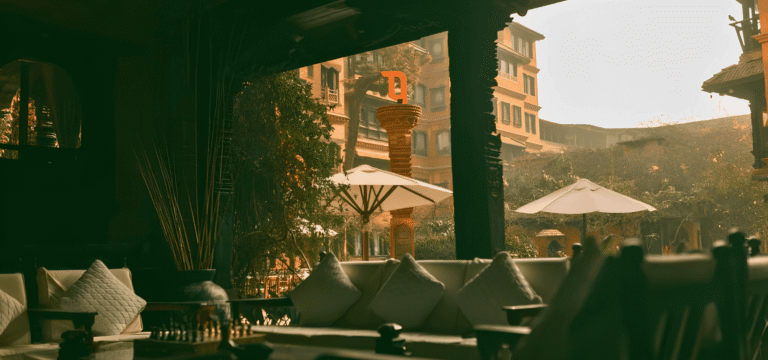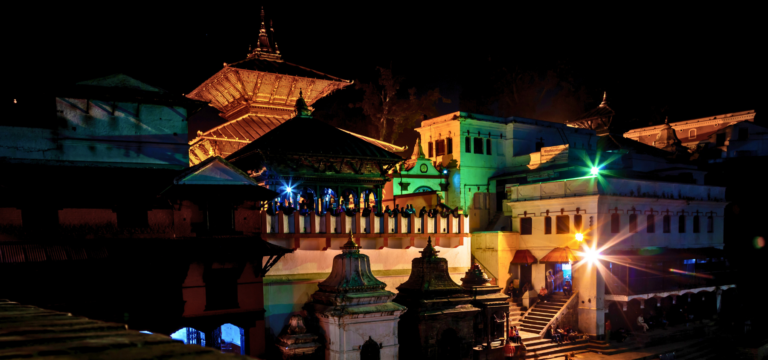
Kathmandu, Nepal
Elite Expeditions
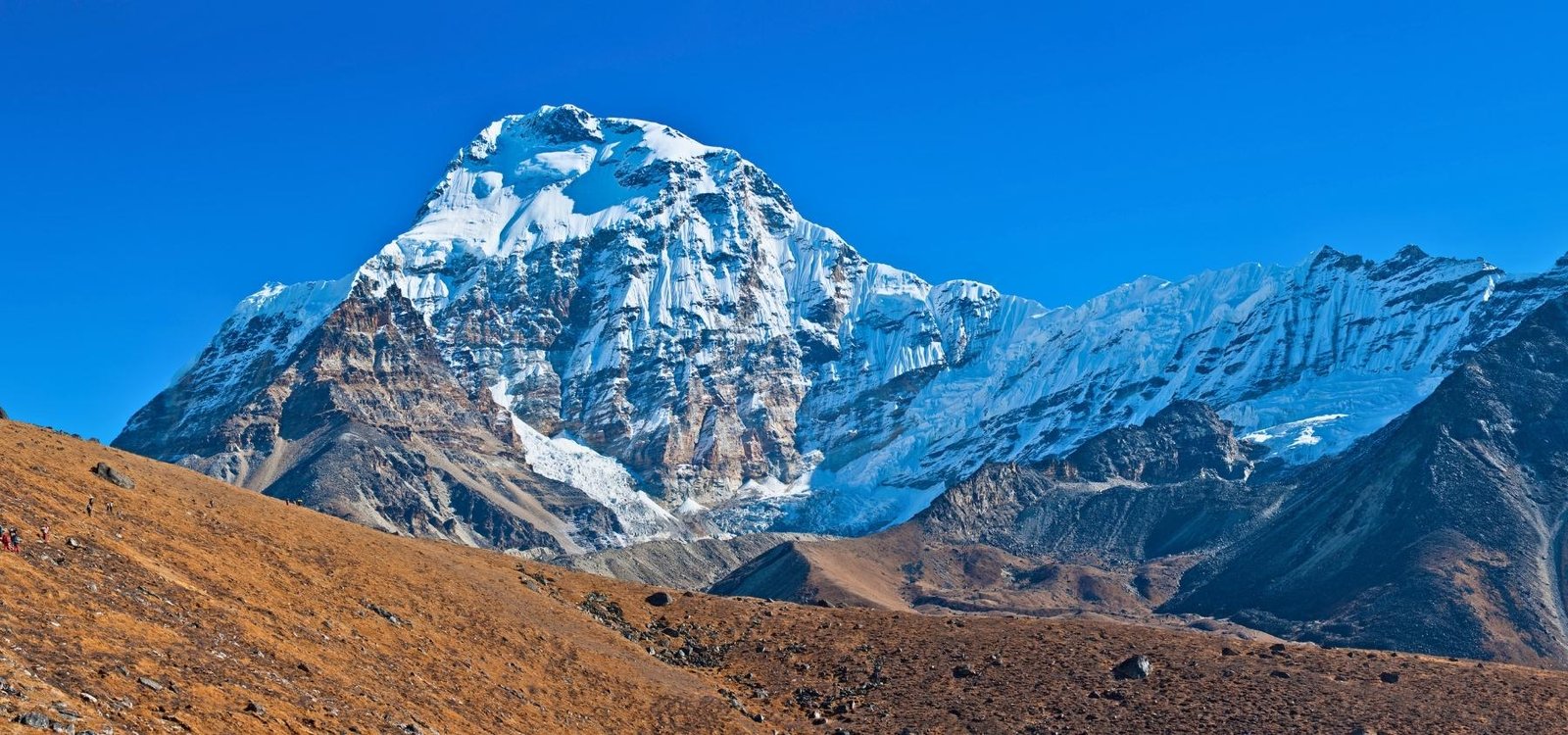
On the 32-day Mount Baruntse Expedition, trekkers and climbers can expect a grueling yet deeply rewarding full-circuit adventure that moves from remote wilderness tracking to formal alpine mountaineering. The journey begins with a scenic flight to Lukla and winds through the isolated Hinku and Hongu valleys, offering a gradual acclimatization profile that often includes a preparatory ascent of Mera Peak (6,476 m). Once at Baruntse Base Camp (5,300 m), participants transition into a methodical, technical climb up the mountain’s symmetric southeast ridge, utilizing high camps on the Lower Barun Glacier to launch their ultimate push to the 7,129 m summit. The expedition concludes with a dramatic, highly technical traverse over the treacherous Amphu Lapcha Pass (5,845 m) into the Khumbu region, forcing a demanding exit past authentic Sherpa villages like Namche Bazaar before flying back out of Lukla.
Arrive at Tribhuvan International Airport where a Ghale Treks representative transfers you to your hotel. Spend the rest of the day relaxing and adjusting to the local time.
A critical logistical day. Meet your climbing Sherpa team for a comprehensive briefing, finalize your government mountaineering permits, and complete a meticulous equipment and gear check.
Take an early morning scenic flight to the exhilarating Lukla airstrip. Begin the expedition on foot, trekking 3 to 4 hours through lush alpine forests and pristine pastures to the quiet settlement of Chutanga.
A grueling but highly rewarding 6-to-7-hour day. Cross the steep Zatrawa La Pass (4,610m) for immense views of the Kalo Himal ridge before descending into the high grazing fields of Tuli Kharka.
Descend sharply through old-growth forests of rhododendron, pine, and juniper into the deep bed of the Hinku River valley, finishing with a gradual climb up to the tranquil riverside village of Kothe.
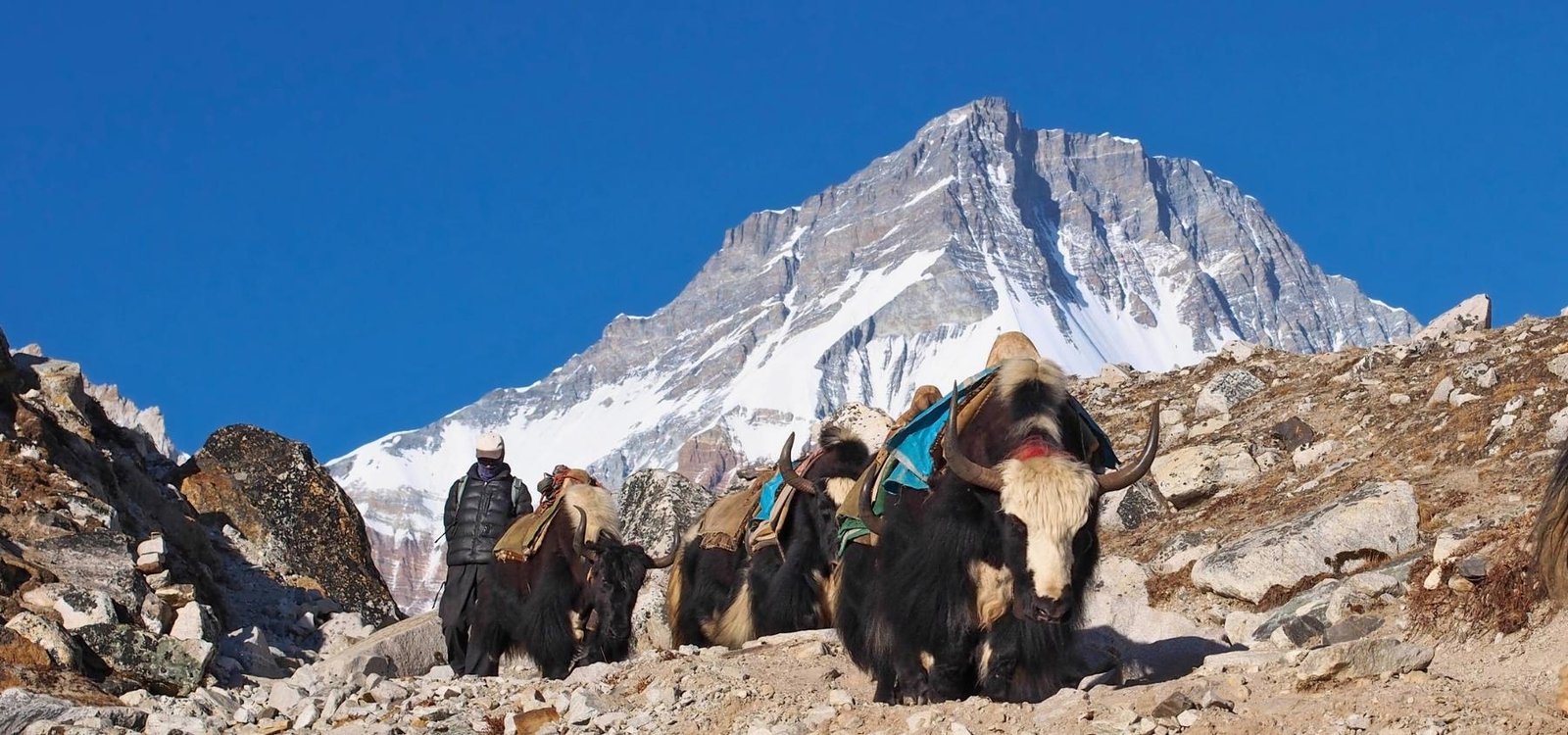
Follow the roaring Hinku Khola past the ancient, 200-year-old Lungsumgba Gompa. The landscape transitions into high-alpine territory as you reach Thangnak, a seasonal yak herder settlement walled in by massive cliffs.
Climb steadily over the lateral moraines of the Hinku Nup and Shar glaciers. Reach Khare, the iconic base-tier launching pad for regional peaks, yielding breathtaking views of the Northern face of Mera Peak.
A non-negotiable rest day to let your body adjust to the 5,000-meter mark. Use this time for short acclimatization hikes and technical rope-handling practice with your Ghale Treks climbing guides.
Traverse the demanding glacial terrain of the Mera La pass, branching off the traditional trekking route to cross into the uninhabited, wild upper plains of the Hongu Valley to reach Khongma Dingma.
Trek deep through the rocky, lunar landscape of the high Hongu Basin. Sleep near the pristine glacial waters of Seto Pokhari (White Lake), completely isolated from the modern world.
A short, slow march along the upper Barun Glacier moraine to officially establish the Baruntse Basecamp at 5,400 meters. The crew will erect your semi-permanent dome tent village here.
Over these eight days, your Sherpa guides establish Camp I (5,700m) below the East Col and Camp II (6,420m) on the Southeast Ridge. You will perform active “climb high, sleep low” rotations to carry loads and properly adapt your blood chemistry to extreme high altitude.
The ultimate mountaineering objective. Moving sequentially through Camp I and Camp II, and using the optimal weather window, you will cross steep 50-degree ice sections and an exposed snow ridge to stand on the Summit of Mount Baruntse (7,129m / 23,389ft) before safely descending back to Basecamp.
Leave Baruntse behind and head north toward the base of one of the most hazardous passes in Nepal. Establish a cold, high-altitude camp right below the looming icefall wall of Amphu Lapcha.
A highly technical day requiring fixed ropes, ice axes, and absolute focus. Cross the jagged Amphu Lapcha Pass (5,845m), negotiating a steep ice-fall descent into the Imja Valley to reach the relative comfort of Chhukung village.
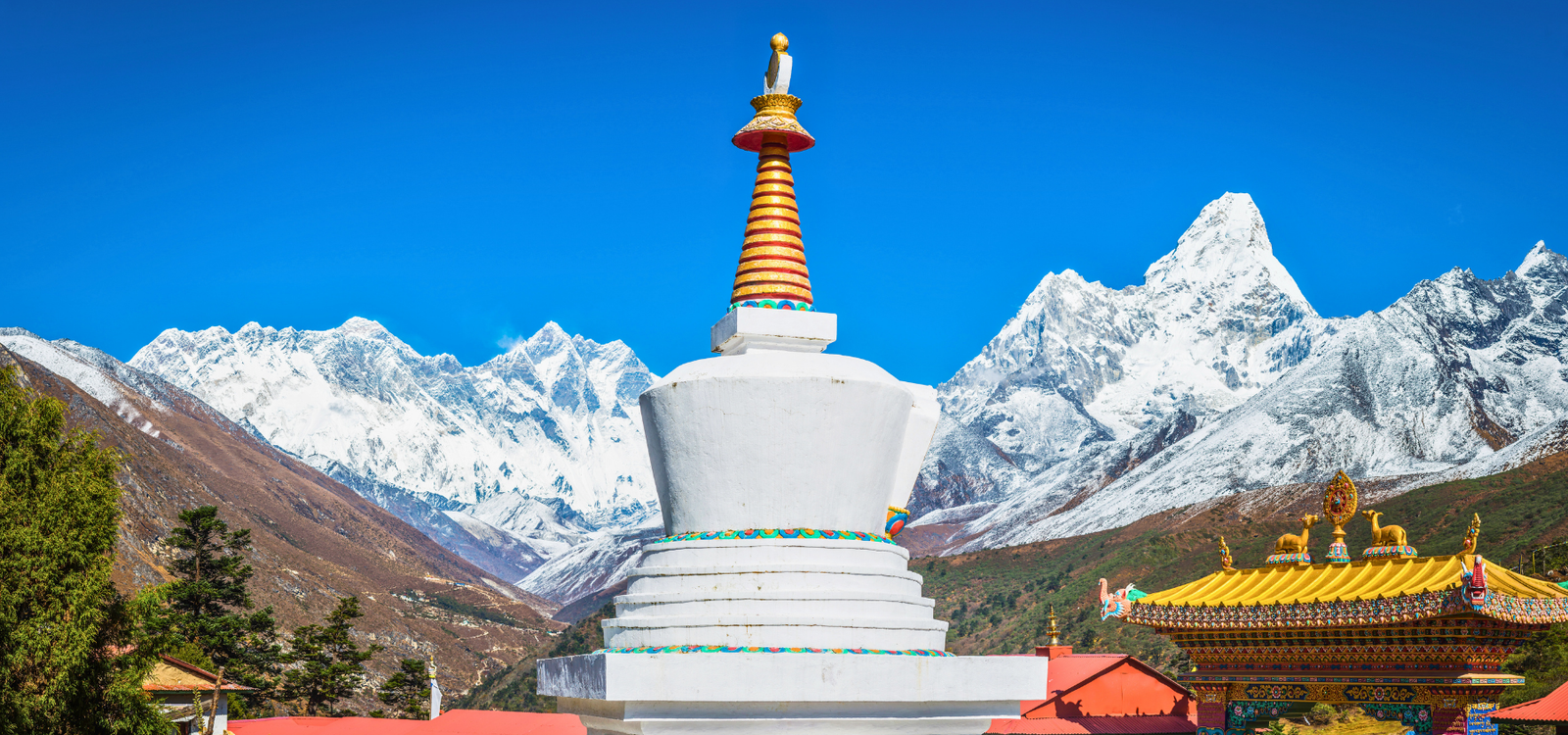
Descend rapidly into the main Khumbu trail. Walk through lush valleys down to Tengboche, where you can visit the famous Tengboche Monastery and enjoy the dense, oxygen-rich air.
Trek along the hillside trails, crossing suspension bridges to reach the bustling Sherpa capital of Namche Bazaar. Enjoy a hot shower, espresso, and celebrate your successful summit.
The final day on the trail. Complete the classic long downhill trek alongside the Dudh Koshi River, passing through Phakding before making the final uphill climb to close the loop in Lukla.
Board your morning mountain flight back to Kathmandu. Transfer back to your boutique hotel to rest, unpack, and freshen up.
A buffer day in case of flight delays out of Lukla. Otherwise, use this time for last-minute souvenir shopping in Thamel or enjoying a celebratory farewell dinner hosted by Ghale Treks.
Your private vehicle provides a smooth transfer to Tribhuvan International Airport for your scheduled flight back home, marking the conclusion of an epic expedition.
Exclusive Expedition Enhancements & Dynamic Flexibility
Best Time to Climb
Physical Preparation
Permits and Documentation
Packing Essentials
Accommodation and Meals
Guides and Crew
Cultural Sensitivity
Health and Safety
Environmental Responsibility
Planning ahead and being well-prepared will ensure you have a safe and memorable trekking experience. Enjoy your adventure to Mount Baruntse!
Packing for a 32-day Mount Baruntse Expedition requires careful consideration to ensure you have everything you need for extreme high-altitude mountaineering while remaining within your weight limits. Ghale Treks covers your group equipment, but you must bring proper personal attire and technical gear. Here’s a comprehensive packing list:
Clothing
Base Layers: Heavyweight and midweight merino wool or synthetic thermal tops and bottoms.
Insulating Layers: Premium fleece jacket, breathable mid-layers, and a thick down jacket or full down suit rated for sub-zero mountain weather.
Outer Layers: Gore-Tex or equivalent waterproof and windproof technical hard-shell jacket and pants.
Trekking Pants: Durable, wind-resistant trekking trousers for the lower-altitude approach valley.
T-shirts: Moisture-wicking, quick-dry t-shirts for the initial approach days.
Underwear and Socks: Several pairs of thermal mountaineering socks, trekking socks, and moisture-wicking underwear.
Hat and Gloves: Insulated high-altitude climbing gloves, windproof fleece gloves, liners, and a warm fleece or wool beanie.
Sun Hat and Sunglasses: A sun hat for the lower valley and specialized Category 4 polarized glacier glasses with side shields alongside anti-fog ski goggles.
Footwear
Mountaining Boots: Professional 7,000m to 8,000m-rated double or triple insulated climbing boots compatible with automatic crampons.
Trekking Boots: Sturdy, waterproof, and well-broken-in hiking boots for the approach trek to Base Camp.
Camp Shoes: Down booties or insulated camp shoes to rest your feet in the tents at night.
Gaiters: Heavy-duty waterproof mountaineering gaiters if not already integrated into your high-altitude boots.
Gear
Backpack: A large 35-45 liter technical climbing pack for summit rotations and a separate large duffle bag for your main gear load carried by porters.
Sleeping Bag: High-quality down sleeping bag rated for extreme cold temperatures down to -20°C or colder.
Trekking Poles: Adjustable trekking poles with snow baskets for stability on glaciers and uneven technical trails.
Headlamp: A high-lumen, cold-resistant headlamp with plenty of extra lithium batteries or charging cables.
Water Bottles or Hydration Bladder: Two wide-mouth 1-liter insulated water bottles with thermal covers to prevent freezing at high camps.
Water Purification Tablets: Chlorine dioxide tablets or a lightweight filtration system for the lower approach trek.
Technical Climbing Equipment
Crampons: High-quality, modern step-in steel mountaineering crampons that fit perfectly over your high-altitude boots.
Harness & Carabiners: A lightweight, adjustable climbing harness, locking carabiners, and non-locking utility carabiners.
Ascenders & Descenders: A right or left-handed ascender tool (Jumar) and a reliable descender device (such as an ATC or Figure-8).
Ice Axe: A classic mountaineering ice axe with a leash, sized appropriately for your height.
Climbing Helmet: A certified, adjustable climbing helmet that fits comfortably over your warm winter beanies.
Prusik Loops & Slings: Dedicated pre-cut climbing slings and prusik cords for personal safety tethers and self-rescue setups.
Personal Items
First Aid Kit: Advanced kit including personal medications, blister treatment, broad-spectrum antibiotics, and altitude medications like Diamox.
Toiletries: Biodegradable soap, wet wipes, microfiber towel, hand sanitizer, toothbrush, toothpaste, and pocket tissues.
Sunscreen and Lip Balm: High SPF 50+ zinc-based sunblock and protective lip balm to combat intense high-altitude UV rays.
Snacks: High-energy personal snacks, electrolyte powders, energy gels, and protein bars to stimulate appetite at high altitude.
Camera: A lightweight cold-resistant action camera or smartphone with an insulated sleeve to safeguard battery life.
Documents and Money
Permits: Your official Mount Baruntse climbing permits, national park entry papers, and municipality passes pre-arranged by Ghale Treks.
Passport and Copies: Your original passport valid for at least 6 months, passport-sized photos, and digital backups stored on your phone.
Cash: Ample local currency (Nepalese Rupees) for purchasing small items, charging devices, and covering tipping requirements.
Travel Insurance: Hard copies of your comprehensive mountaineering insurance policy indicating search, rescue, and evacuation coverage up to 7,500m.
Optional Items
Portable Charger: Multiple high-capacity, cold-resistant power banks or portable solar charging kits for your electronics.
Journal and Pen: A compact notebook and pen to document your thoughts and daily milestones on the mountain.
Book or E-Reader: An e-reader or book for entertainment during mandatory acclimatization days or weather delays at Base Camp.
Environmental Responsibility
Reusable Bags: Heavy-duty ziplock or dry bags to isolate and carry out your own trash and personal waste from the high camps.
Leave No Trace: Follow absolute zero-impact guidelines to preserve the fragile glacier ecosystems of the Barun and Hongu valleys.
Packing smartly will ensure you have a comfortable and enjoyable trekking experience. If you have any specific questions or need further details, feel free to ask!
Altitude and Acclimatization: Because the Mount Baruntse Expedition is an extreme high-altitude mountaineering endeavor reaching 7,129 meters (23,389 feet), acclimatization is a strict matter of survival. The 32-day itinerary relies on a gradual rotation system between Base Camp, Camp I, and Camp II to slowly build red blood cells. It is imperative to communicate every symptom of Acute Mountain Sickness (AMS)—such as persistent headache, severe fatigue, or loss of appetite—to your expedition leader immediately, as untreated symptoms at this elevation can quickly escalate into life-threatening conditions like HAPE or HACE.
Local Currency: The Nepalese Rupee (NPR) is the official currency. While your expedition package covers the majority of your food, transport, and tented accommodation, you will need cash in Kathmandu and Namche Bazaar for personal gear rentals, showers, device charging, and alcoholic beverages. ATMs are non-existent once you leave the main Khumbu trail into the remote Hinku Valley, so it is highly advisable to withdraw all necessary cash in Kathmandu.
Connectivity: Satellite phones and radios will be the primary lifeline managed by your expedition team for base camp and high-camp logistics. Mobile network coverage via local SIM cards (Ncell/Nepal Telecom) works well up through the lower Khumbu and Hinku regions but drops entirely as you venture past Mera Peak toward Baruntse Base Camp. Limited, paid satellite Wi-Fi options may be available at base camp depending on your operator, but speeds are slow and heavily weather-dependent.
Photography Tips: The Baruntse Expedition showcases jaw-dropping landscapes, from the pristine Honku Valley and Panch Pokhari lakes to the stark, icy ridges of the mountain itself. Protect your camera batteries from draining instantly in sub-zero temperatures by storing them inside your inner clothing layers when not in use. When photographing local communities, high-altitude porters, or monastic relics during your trek-in, always ask for permission first to maintain cultural respect.
Wildlife Awareness: The early stages of the route cut through the Makalu Barun and Sagarmatha National Parks, which host rare alpine wildlife like the Himalayan tahr, snow leopard, and Danphe (Lophophorus bird). Maintain a quiet demeanor and a respectful distance to preserve their natural habitat. At high camps, secure all food supplies tightly inside your tents to avoid attracting alpine ravens (choughs) or local rodents.
Cultural Etiquette: Before pushing into the deep wilderness, your expedition team will organize a traditional “Puja” ceremony at Base Camp to ask the mountain deities for safe passage and a successful summit. Participate respectfully by offering items like climbing gear or prayer flags to be blessed. When passing Mani walls (prayer stones) or chortens during the approach trek, always walk to their left in a clockwise direction as dictated by Buddhist custom.
Emergency Contact Information: High-altitude mountaineering carries inherent risks of frostbite, avalanches, and severe altitude sickness. Ensure your mandatory travel insurance specifically covers technical mountaineering up to 7,200 meters and includes emergency helicopter evacuation. Your agency will maintain continuous radio contact with rescue coordinates in Lukla and Kathmandu, but keeping a personal copy of your insurance policy and emergency contact details in your pack is essential.
Food and Water Safety: Proper nutrition and intense hydration are critical to fight off altitude exhaustion, requiring you to drink 4 to 5 liters of fluid daily. In the high camps, all water is sourced by melting pristine snow and glacier ice, which must be treated or boiled completely before drinking. The expedition cook team provides high-calorie, freshly prepared meals at Base Camp; stick strictly to their hygienic preparations and carry your own high-energy trail snacks for the higher camps.
Fitness and Health Maintenance: An expedition of this magnitude demands peak physical stamina and mental resilience. Beyond the strenuous approach hikes, you will be performing technical rope work, ice climbing, and walking with heavy packs for 6 to 10 hours a day in oxygen-depleted air. Prioritize active rest days, perform light stretching in your tent to prevent muscle tightness, and diligently monitor your extremities for numbness or signs of cold injury.
Group Dynamics: Success on a 7,000-meter peak relies entirely on collaborative teamwork. Trust and clear, honest communication among your fellow climbers, Western guides, and Sherpa team are vital, especially when coordinating rope-fixing logistics, summit-push windows, and safety turn-around times. Setting ego aside and respecting the collective pace of the team ensures that everyone returns from the mountain safely.
By keeping these additional points in mind, you can further enrich your Mount Baruntse Expedition experience while ensuring safety, respect, and enjoyment throughout your adventure. Happy climbing!