Kathmandu, Nepal
Private Tour
Trekkers embarking on the 10-day Tengboche Monastery Trek can expect a profound blend of high-altitude scenery and deep cultural immersion within the heart of the Khumbu region. The journey transitions from the lush, pine-scented forests of the Dudh Koshi Valley to the rugged, alpine ridges of Sagarmatha National Park, offering a manageable yet rewarding introduction to the Everest trail. You will experience the vibrant energy of Namche Bazaar—the “Sherpa Capital”—and navigate iconic suspension bridges draped in prayer flags, all while staying in authentic mountain teahouses. The pinnacle of the trek is the arrival at Tengboche, where the spiritual resonance of the monastery’s chanting monks and the scent of juniper incense meet a spectacular 360-degree panorama of the world’s highest peaks, including Everest, Lhotse, and the towering Ama Dablam.
Arriving in Kathmandu on a clear day is a panoramic thrill; the sight of snow-capped peaks sprawling beneath you marks the beginning of an unforgettable journey. Upon clearing customs and collecting your luggage, please proceed to the arrival hall exit. Your Ghale Treks representative will be waiting just outside with a prominent company placard to escort you to your hotel via private vehicle.
After checking in and enjoying a welcome drink, your trek leader will conduct a comprehensive pre-trip briefing in the hotel lobby. We recommend a gentle evening stroll through the local streets to acclimate to the vibrant atmosphere of the “City of Temples”.
Accommodation: Hotel (Kathmandu)
Max Elevation: 1,350m / 4,430ft
Following an early breakfast, we transfer to the airport for a scenic 35-minute STOL (Short Takeoff and Landing) flight to Lukla. This mountain airstrip, perched at the edge of the Himalayas, offers an immediate sense of the scale of the peaks to come. After meeting our trekking crew, we begin our journey with a descent toward the Dudh Koshi Valley. We follow a well-marked trail along the riverbank to reach the village of Phakding for our first night in the mountains.
Meals: Breakfast, Lunch, Dinner
Accommodation: Mountain Lodge/Teahouse
Trek Duration: 3–4 Hours
Max Elevation: 2,600m / 8,531ft
Today’s trail winds through fragrant pine forests and crosses several suspension bridges as we pass through the settlements of Benkar and Monjo. At Monjo, we officially enter Sagarmatha National Park, a UNESCO World Heritage site. After a steep climb across the high “Hillary Suspension Bridge,” we ascend toward Namche Bazaar. If the weather is clear, you will be rewarded with your first breathtaking views of Mt. Everest, Lhotse, and Nuptse.
Meals: Breakfast, Lunch, Dinner
Accommodation: Mountain Lodge/Teahouse
Trek Duration: 6–7 Hours
Max Elevation: 3,450m / 11,319ft
To ensure proper acclimatization, we remain in Namche Bazaar for a second night. After breakfast, we hike to the Everest View Hotel, one of the highest hotels in the world, for a spectacular panorama of the Everest massif. We then continue to the traditional village of Khumjung to visit the Hillary School and the local monastery, which famously houses a purported “Yeti scalp.” We return to the vibrant hub of Namche for the evening.
Meals: Breakfast, Lunch, Dinner
Accommodation: Mountain Lodge/Teahouse
Duration: 4–5 Hours (Exploration)
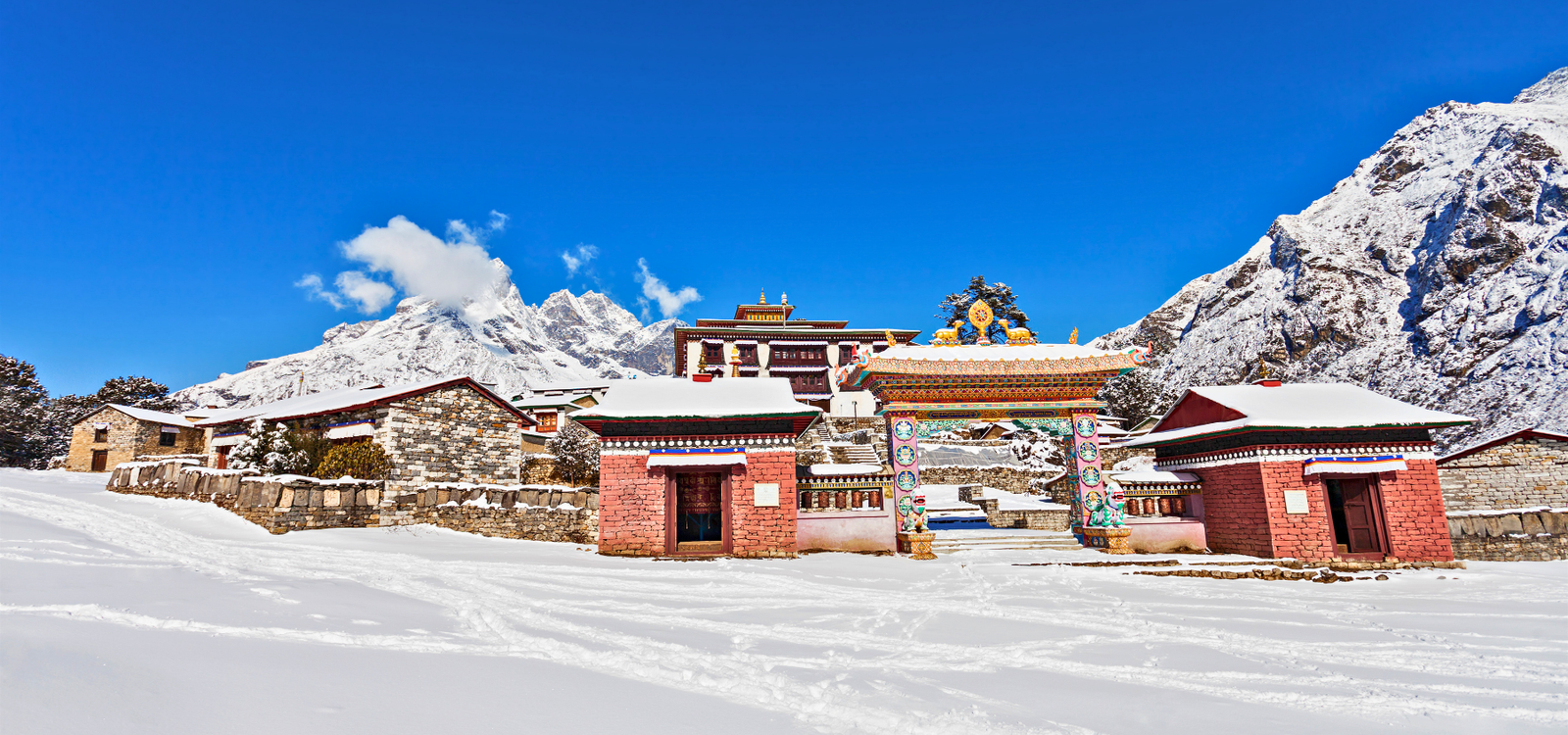
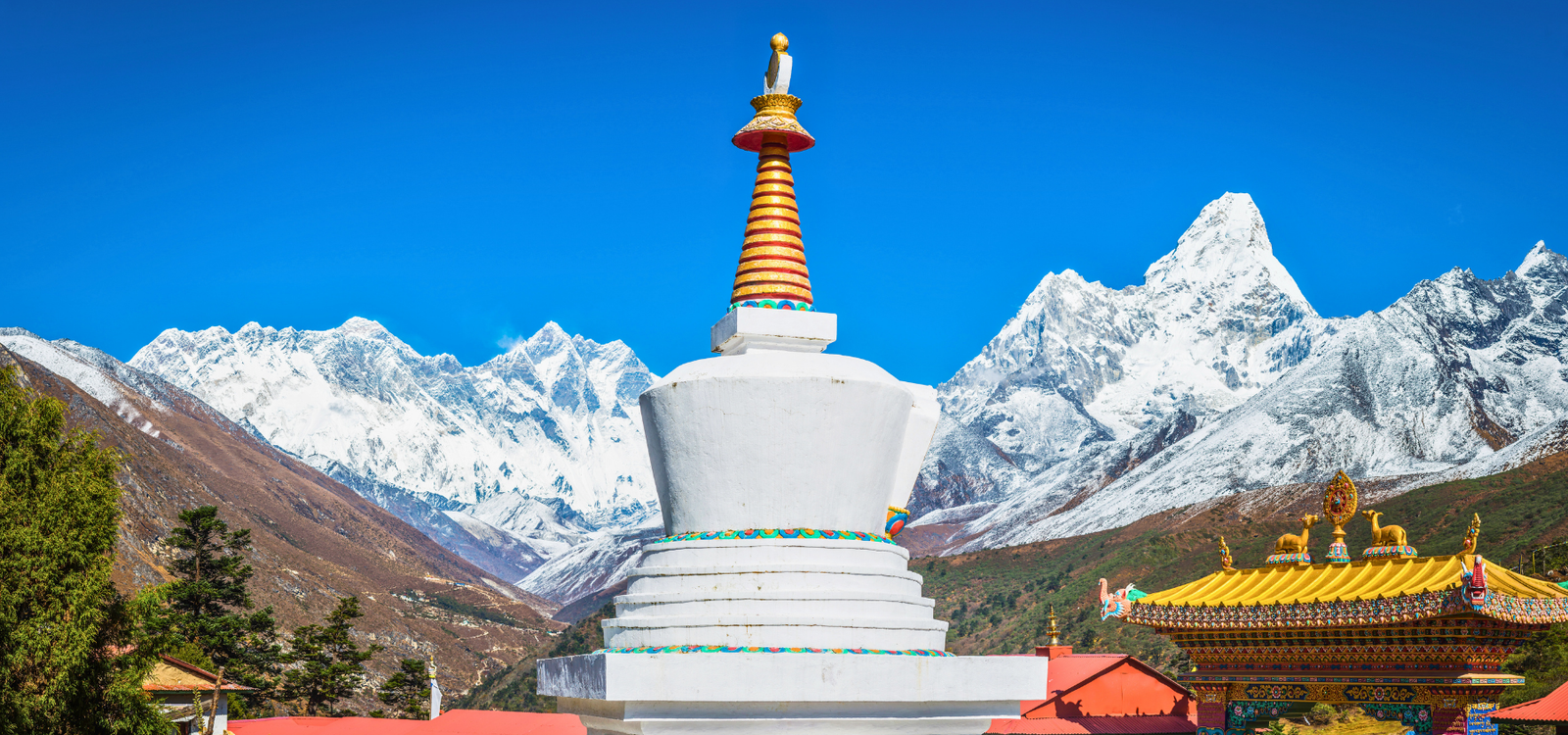
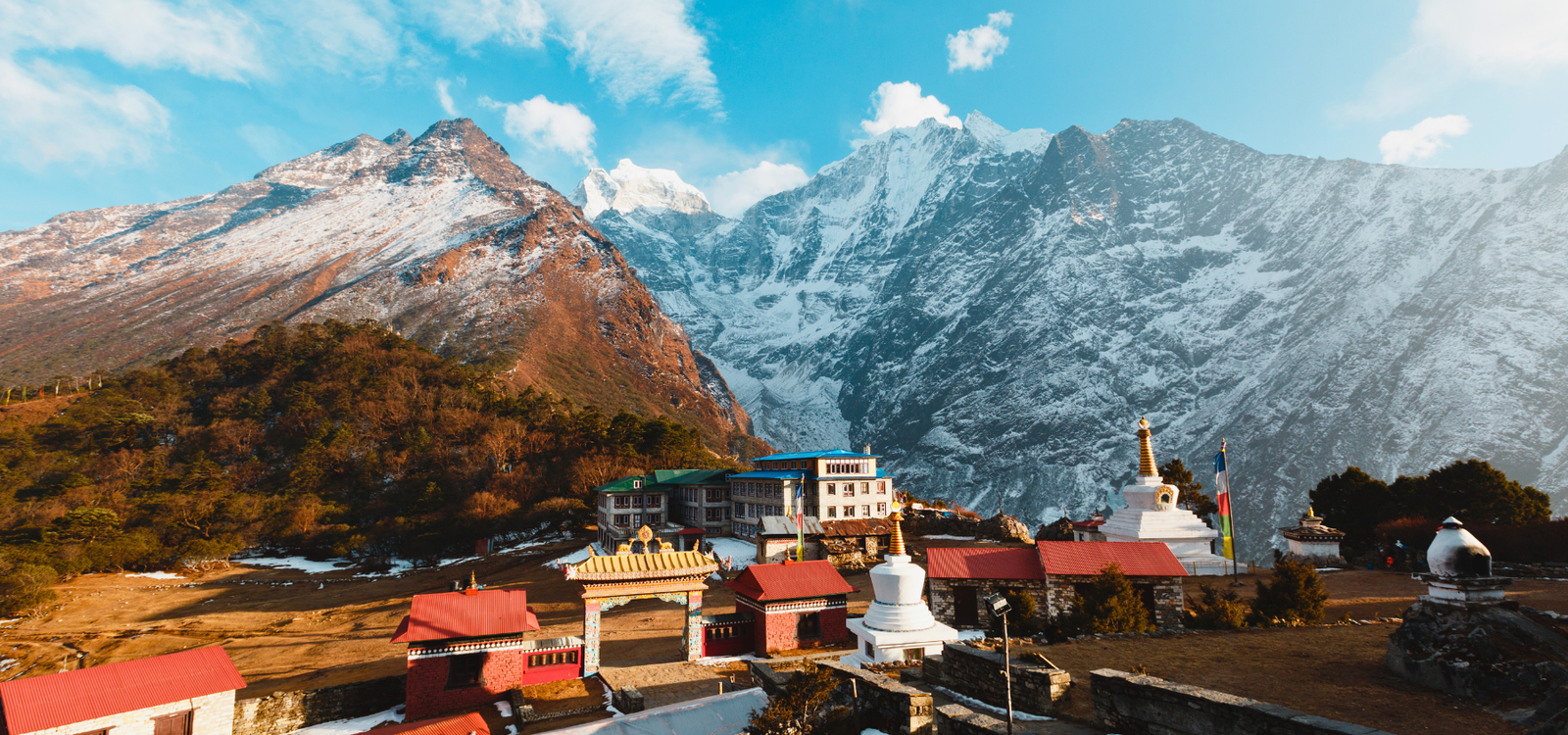
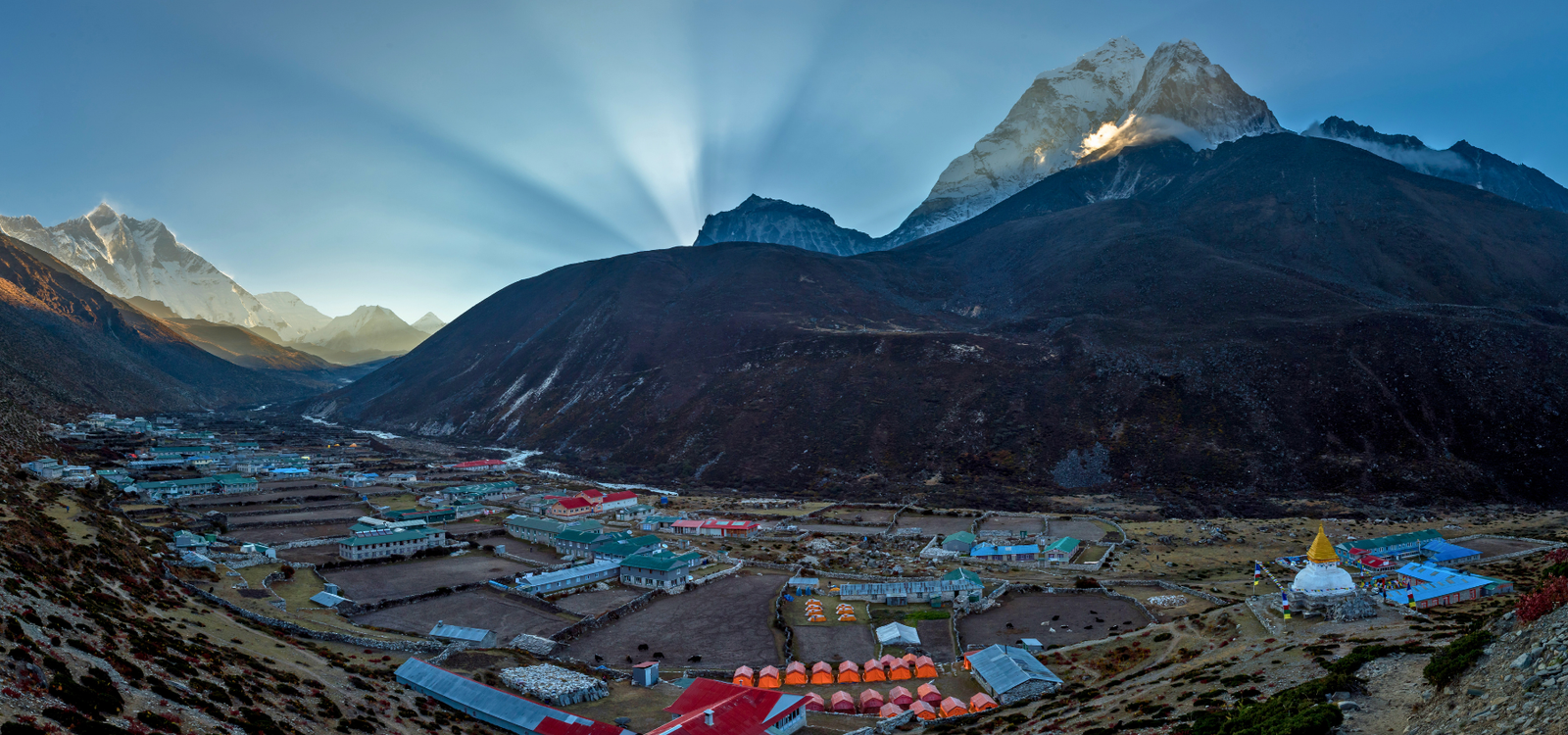
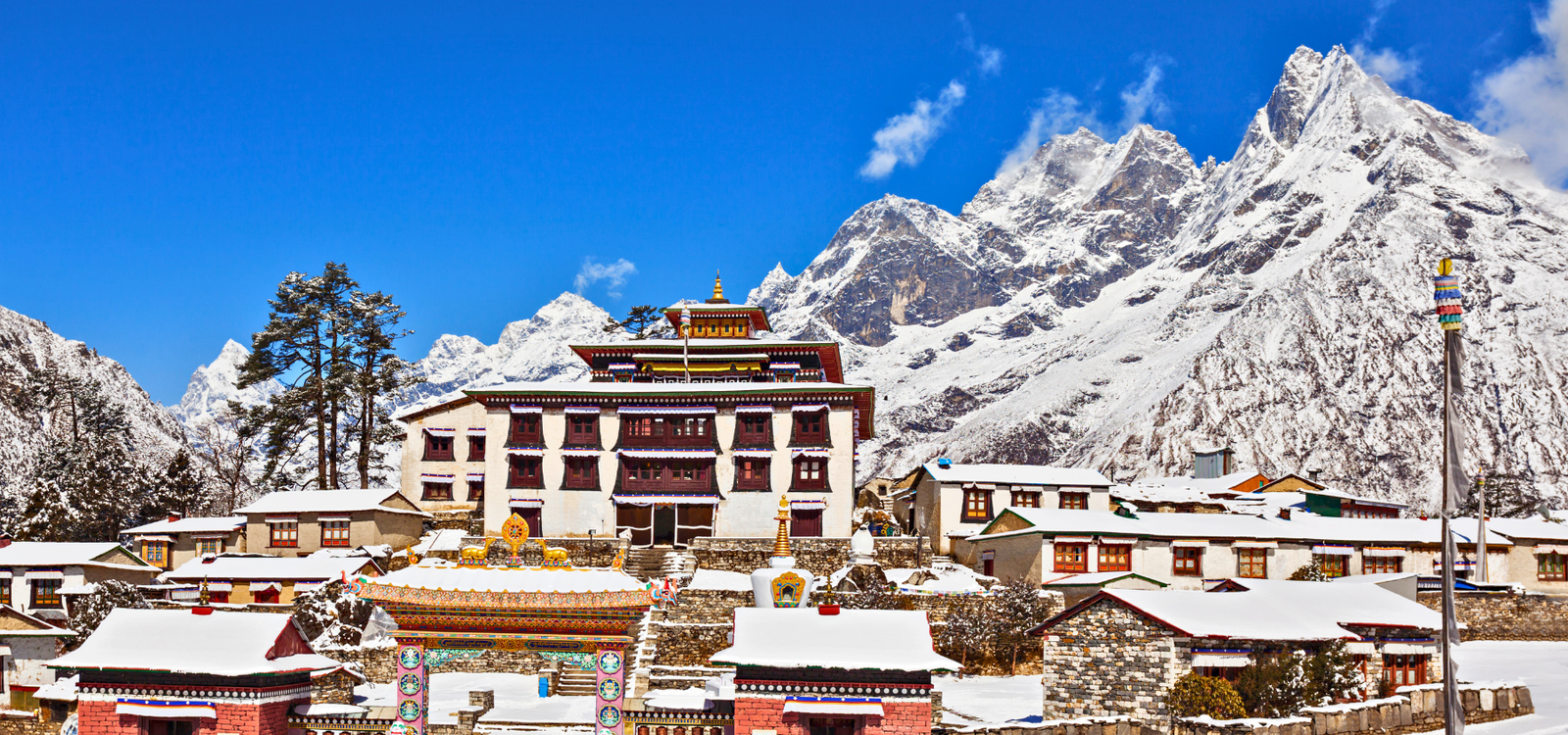
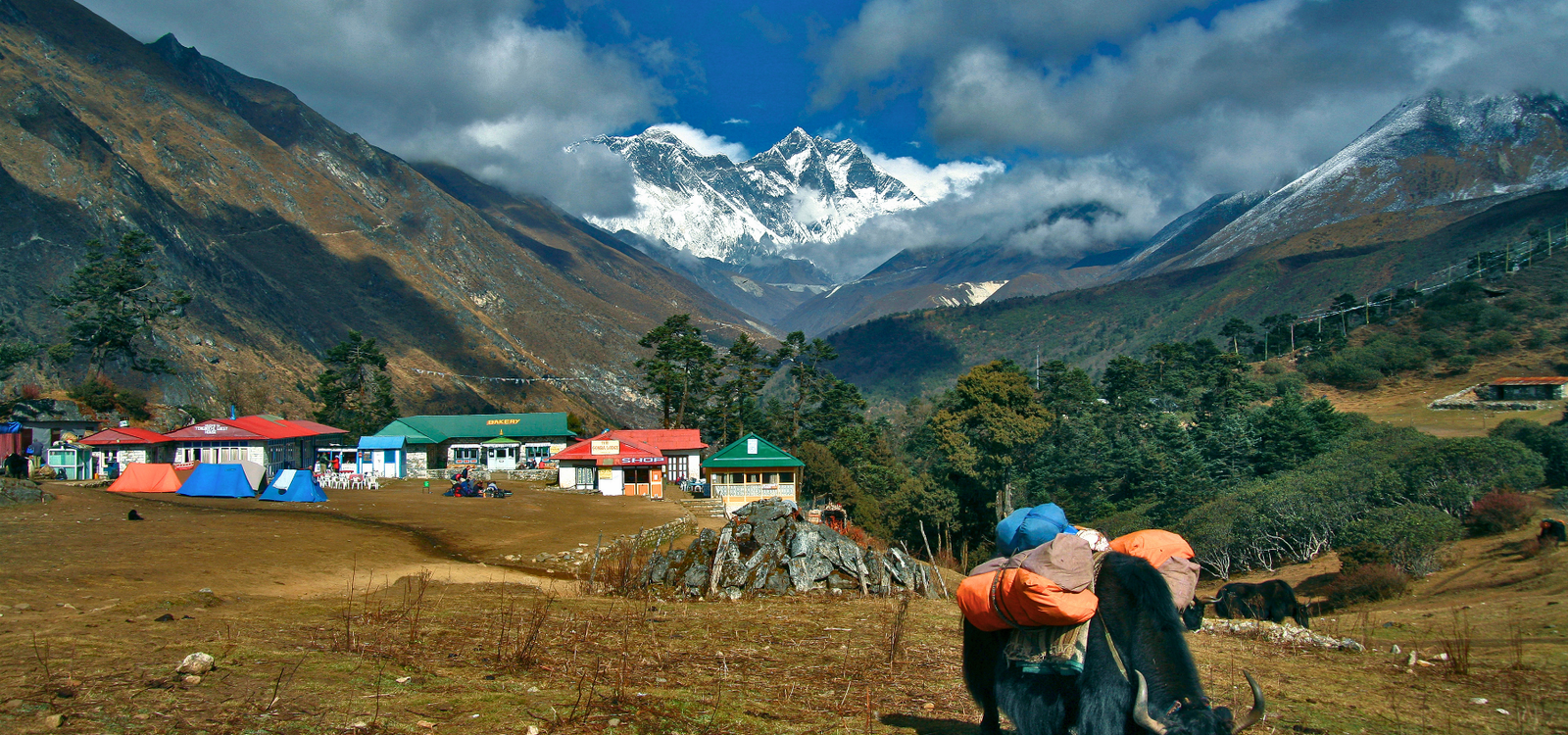
The trail today offers some of the most iconic vistas in the Khumbu region, with Ama Dablam standing sentinel over the valley. We descend to the river before beginning a steady, scenic climb through rhododendron forests to reach Tengboche. Here, we visit the Tengboche Monastery, the largest and most significant spiritual center in the Everest region, set against a backdrop of Everest and Thamserku.
Meals: Breakfast, Lunch, Dinner
Accommodation: Mountain Lodge/Teahouse
Trek Duration: 5–6 Hours
Max Elevation: 3,860m / 12,664ft
Retracing our steps, we descend through lush forests of birch and rhododendron, crossing the Dudh Koshi River once more. The return walk to Namche is pleasant, offering a different perspective of the surrounding peaks. This evening offers another chance to enjoy the bakeries and cafes of Namche Bazaar.
Meals: Breakfast, Lunch, Dinner
Accommodation: Mountain Lodge/Teahouse
Trek Duration: 4–5 Hours
Max Elevation: 3,450m / 11,319ft
Our final day on the trail follows the Dudh Koshi River downstream. While the path is mostly a descent, the final climb back up to Lukla provides a fitting end to the trek. This evening, we celebrate the successful completion of our journey with our guides and porters—reflecting on the emotional and physical milestones achieved in the shadow of the world’s highest peaks.
Meals: Breakfast, Lunch, Dinner
Accommodation: Mountain Lodge/Teahouse
Trek Duration: 5–6 Hours
Max Elevation: 2,800m / 9,187ft
We board an early morning flight from Lukla back to Kathmandu, enjoying one last aerial view of the Himalayas. Upon arrival, you will be met by our representative and transferred to your hotel. The remainder of the day is yours to relax, indulge in a spa treatment, or explore the bustling nightlife of Thamel.
Meals: Breakfast
Accommodation: Hotel (Kathmandu)
Max Elevation: 1,350m / 4,430ft
This is a dedicated free day for rest or independent exploration. You may choose to visit the sacred Pashupatinath Temple, the Boudhanath Stupa, or the ancient Durbar Squares. Our guides remain available should you require assistance with local sightseeing or last-minute souvenir shopping.
Meals: Breakfast, Farewell Dinner
Accommodation: Hotel (Kathmandu)
Your Himalayan adventure concludes today. Depending on your flight schedule, our representative will provide a private transfer to Tribhuvan International Airport. We bid you a fond farewell and hope to welcome you back to the peaks of Nepal in the near future.
Meals: Breakfast
Custom Tailored Flexibility: This itinerary is entirely dynamic and can be seamlessly adjusted to align with your personal pace, specific interests, or physiological acclimatization requirements.
Premium Accommodation Upgrades: Our standard packages feature highly vetted 4-star boutique accommodations in Kathmandu on a bed-and-breakfast basis. For an ultra-luxury experience, these can be seamlessly upgraded to the city’s premier 5-star heritage properties upon request.
Private Helicopter Charter Options: For enhanced comfort and efficiency, the return journey from Tengboche back to Kathmandu can be upgraded to an exclusive, private helicopter charter at an additional cost, completely bypassing the return trek and regional flights.
Best Time to Trek
Autumn (September to November): This is the premier season for the Khumbu. You can expect crystal-clear mountain views, stable weather, and the vibrant atmosphere of the Mani Rimdu festival at Tengboche Monastery.
Spring (March to May): A stunning time to witness the hillsides come alive with blooming red and pink rhododendrons, with milder temperatures ideal for high-altitude walking.
Physical Preparation
Fitness Level: This trek is considered moderate. We recommend at least 6–8 weeks of cardiovascular training (cycling, running) and strength exercises (squats, lunges) to prepare for the stone-step inclines.
Medical Check-up: Please consult your physician for a general check-up and discuss altitude-related medications (such as Diamox) to ensure you are fit for trekking up to 3,867m.
Permits and Documentation
Official Permits: Ghale Treks will fully arrange your Sagarmatha National Park Permit and the Khumbu Pasang Lhamu Rural Municipality Entry Permit. Please provide your passport copy and photos 15 days in advance.
Travel Insurance: It is mandatory to have a policy that explicitly covers trekking up to 4,000m and emergency helicopter evacuation with direct billing.
Packing Essentials
Clothing: Use a three-layer system: moisture-wicking base layers, an insulating fleece mid-layer, and a waterproof/windproof outer shell. Sturdy, broken-in trekking boots are essential.
Gear: Bring reliable trekking poles, a 30L daypack for essentials, and a high-quality headlamp. We provide your down jacket and sleeping bag.
Personal Items: High-SPF sunscreen, polarized sunglasses, a hat, and a small personal first-aid kit with any specific medications you require.
Accommodation and Meals
Lodging: You will stay in 3-star standard hotels in Kathmandu and hand-picked, authentic mountain lodges (teahouses) during the trek, typically on a twin-sharing basis.
Food: Your package includes an Open/Choice Menu at teahouses. We recommend traditional “Dal Bhat” for sustained energy and suggest carrying high-energy snacks like nuts or chocolate.
Guides and Porters
Expert Guides: You will be led by a licensed, English-speaking Ghale Treks leader who provides deep cultural insights and ensures your safety and acclimatization.
Professional Porters: We provide one porter for every two trekkers (carrying up to 20kg combined) so you only need to carry a light daypack with your camera and water.
Cultural Sensitivity
Respect Local Customs: The Khumbu is a sacred Buddhist region. Always walk clockwise around mani walls and stupas, and dress modestly (shoulders and knees covered) when entering monasteries.
Spiritual Etiquette: Please remove your shoes and hats before entering the Tengboche Monastery and refrain from taking photos inside the main prayer hall.
Health and Safety
Altitude Sickness: Be vigilant for symptoms like persistent headaches or nausea. Our itinerary includes a vital acclimatization day in Namche Bazaar to help your body adapt.
Hydration: Drink 3–4 liters of water daily. To protect the environment, use reusable bottles with boiled or purified water provided by your guide rather than buying plastic.
Environmental Responsibility
Leave No Trace: We strictly follow “Leave No Trace” principles. Please carry out any non-biodegradable waste and avoid disturbing wildlife like the Himalayan Thar or Danphe.
Waste Management: Use the designated disposal bins at teahouses and help us keep the trails of Sagarmatha National Park pristine for future generations.
Since we provide the heavy gear—including down jackets and sleeping bags—this list focuses on your personal essentials for a comfortable and safe journey.
Footwear: Sturdy, waterproof trekking boots (well broken-in) and a pair of lightweight camp shoes or sandals for the evenings.
Base Layers: 2–3 sets of moisture-wicking thermal tops and bottoms (synthetic or merino wool) to manage body temperature.
Trekking Shirts: 3–4 breathable, quick-dry T-shirts (long-sleeve is recommended for sun protection).
Trekking Pants: 2 pairs of hiking trousers (convertible zip-offs are highly versatile for changing altitudes).
Middle Layer: 1 warm fleece jacket or a light sweater for layering under your provided down jacket.
Outer Shell: A high-quality waterproof and windproof jacket to protect against unpredictable mountain weather.
Headwear: 1 warm wool/fleece hat for cold mornings and 1 wide-brimmed sun hat for UV protection.
Handwear: 1 pair of lightweight liner gloves and 1 pair of warm, waterproof outer gloves.
Socks: 4–5 pairs of thick wool trekking socks and 2 pairs of thin liner socks to prevent blisters.
Backpack: A 25–35 liter daypack with a rain cover to carry your water, camera, and daily essentials.
Accessories: UV-protection sunglasses, a headlamp with spare batteries, and 2 refillable water bottles (1 liter each).
Personal Hygiene: Travel-sized toiletries, sunblock (SPF 50+), lip balm, wet wipes, and hand sanitizer.
Health: A basic personal first-aid kit including blister tape, rehydration salts, and your personal medications.
Passport: Original passport with at least 6 months of validity and 2–3 high-quality photocopies.
Photos: 4 recent passport-sized photographs (required for permits and local SIM cards).
Insurance: A printed copy of your travel insurance policy clearly stating coverage for high-altitude trekking (4,000m) and emergency heli-evacuation.
Flight Details: Printed copies of your international flight tickets and Ghale Treks booking confirmation.
Cash: Sufficient Nepalese Rupees (NPR) for personal expenses like snacks, hot showers, and charging fees while on the trail.
Altitude and Acclimatization: The Tengboche Monastery Trek reaches an elevation of approximately 3,867 meters (12,687 feet). While this is lower than Everest Base Camp, altitude sickness remains a possibility. We advocate for the “climb high, sleep low” philosophy. If you encounter symptoms such as persistent headaches, loss of appetite, or shortness of breath, please inform your guide immediately. Your safety is our absolute priority, and we recommend a steady, rhythmic pace.
Local Currency and Budgeting: The Nepalese Rupee (NPR) is the functional currency. While ATMs are available in Lukla and Namche Bazaar, they can be unreliable due to power outages or technical issues. We recommend carrying sufficient cash in small denominations to cover personal expenses—such as hot showers, charging electronic devices, and snacks—at the tea houses, where credit cards are generally not accepted.
Connectivity and Charging: In the Everest region, mobile networks (Ncell and Nepal Telecom) are relatively stable up to Namche Bazaar but become spotty further up toward Tengboche. Most lodges offer Wi-Fi for a fee (often via “Everest Link” cards), but speeds are modest. Please note that charging your cameras and phones usually incurs an hourly cost at high-altitude lodges; carrying a high-capacity power bank is highly recommended.
Photography Etiquette: The Khumbu offers some of the world’s most iconic vistas, including Ama Dablam and Mount Everest. When photographing the interior of Tengboche Monastery, please follow the “No Flash” rule and look for signs indicating where photography is prohibited. Always seek verbal permission before taking portraits of the local Sherpa people or monks to maintain a spirit of mutual respect.
Wildlife and Environmental Stewardship: You will be trekking through the Sagarmatha National Park, a UNESCO World Heritage site. You may encounter Himalayan Tahrs, Danphe (the national bird), or even musk deer. In line with our commitment to Responsible Tourism, please stay on the designated trails, never feed the wildlife, and adhere to the “Leave No Trace” policy by carrying out all non-biodegradable waste.
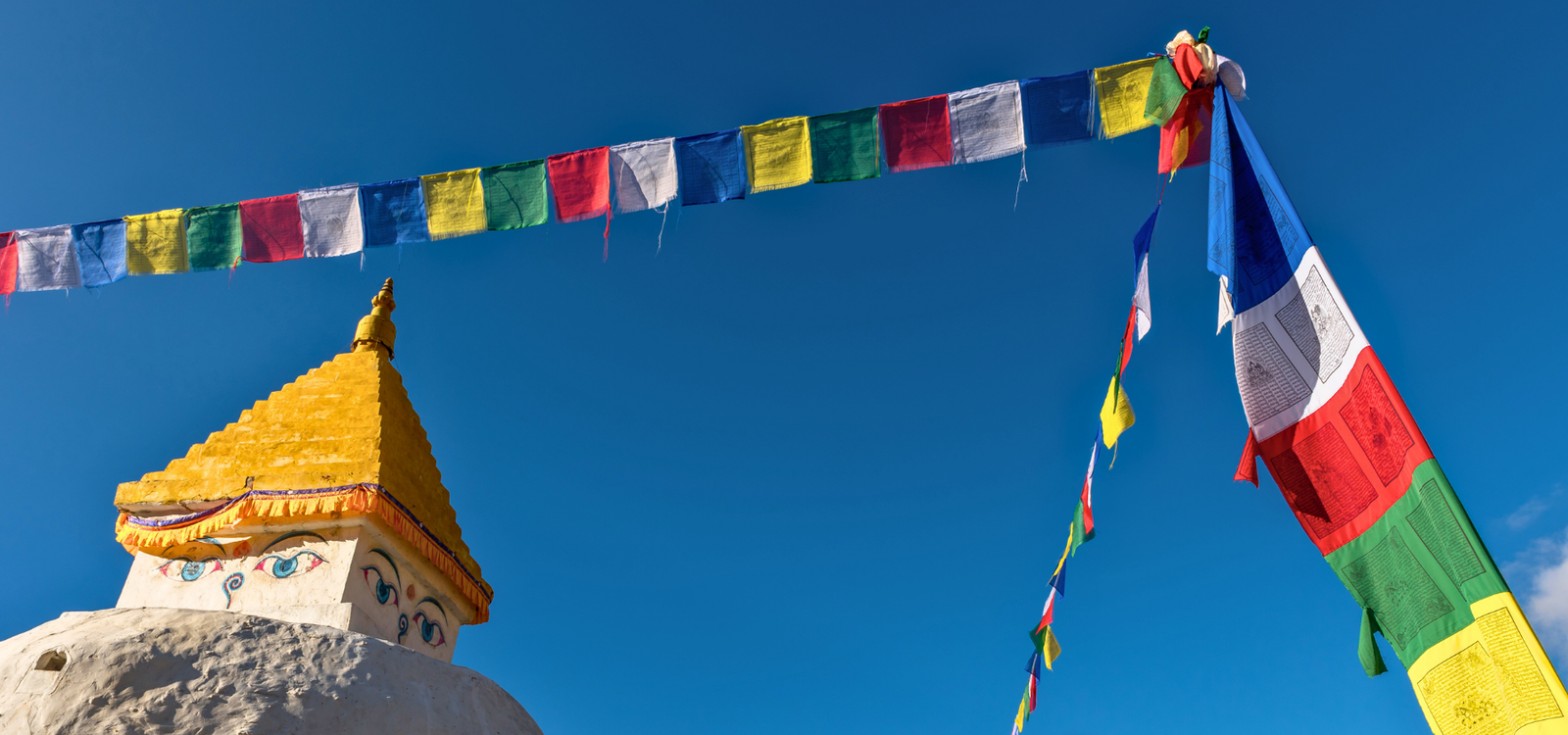
Cultural Sensitivities: The Khumbu is a sacred landscape. Always pass Mani walls (prayer stones), chortens, and prayer flag poles on the clockwise side (keeping them to your right). When visiting Tengboche Monastery, dress modestly (shoulders and knees covered) and remove your shoes before entering the prayer hall. A small donation to the monastery is a customary and appreciated gesture.
Emergency Logistics: While Ghale Treks will handle the primary logistics, Liberty Holidays emphasizes having a clear emergency protocol. Ensure your travel insurance specifically covers “emergency helicopter evacuation” up to 5,000 meters. Keep a digital and physical copy of your insurance policy and the contact details for your trekking lead easily accessible at all times.
Hydration and Hygiene: Staying hydrated is the best defense against altitude sickness; aim for 3-4 liters of water daily. Avoid single-use plastic bottles to protect the mountain environment. Instead, use reusable bottles and treat your water with purification tablets or UV filters. Stick to freshly prepared “Sherpa Stew” or Dal Bhat for sustained energy, as these are the most hygienic and nutritious options on the trail.
Physical Well-being: Trekking in the Everest region involves significant ascent and descent on stone staircases. To prevent muscle fatigue, we suggest light stretching each evening upon arrival at your lodge. Our guides recommend keeping your extremities warm and dry—proper foot care and dry socks are essential to preventing blisters and ensuring you can enjoy the trek comfortably.
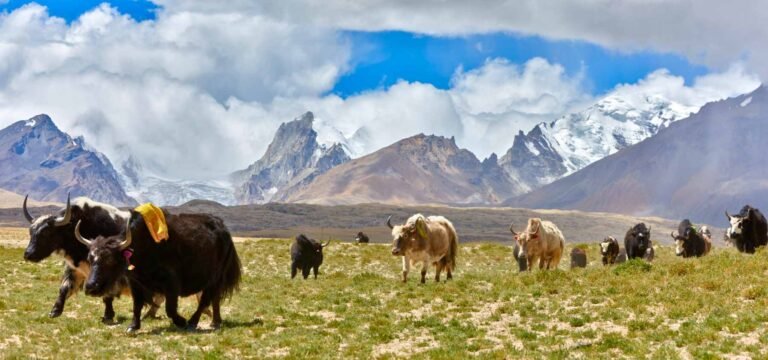
The Spirit of the Trail: You will be sharing the trail with yaks, porters, and fellow adventurers. Always yield the trail to yak caravans by moving to the mountainside (the “uphill” side) to avoid being pushed toward the edge. Engaging with the local community with a warm “Namaste” and an open mind will transform your trek from a simple hike into a profound life experience.