Kathmandu, Nepal
Luxury Private Tour
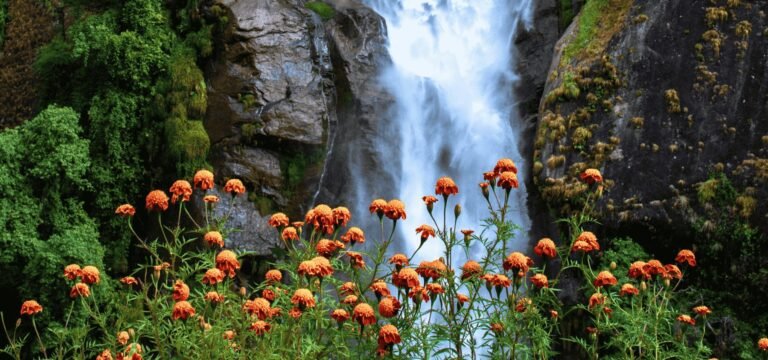
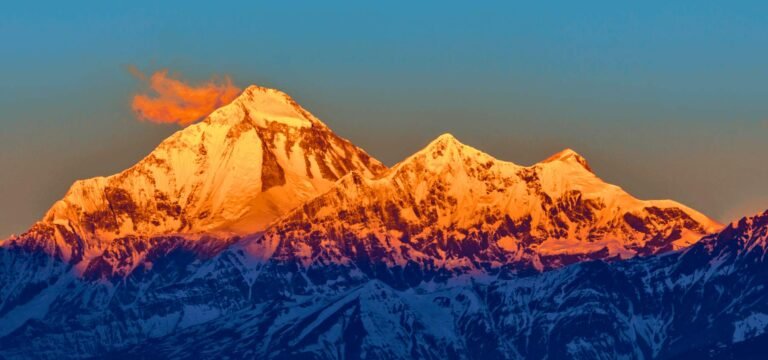
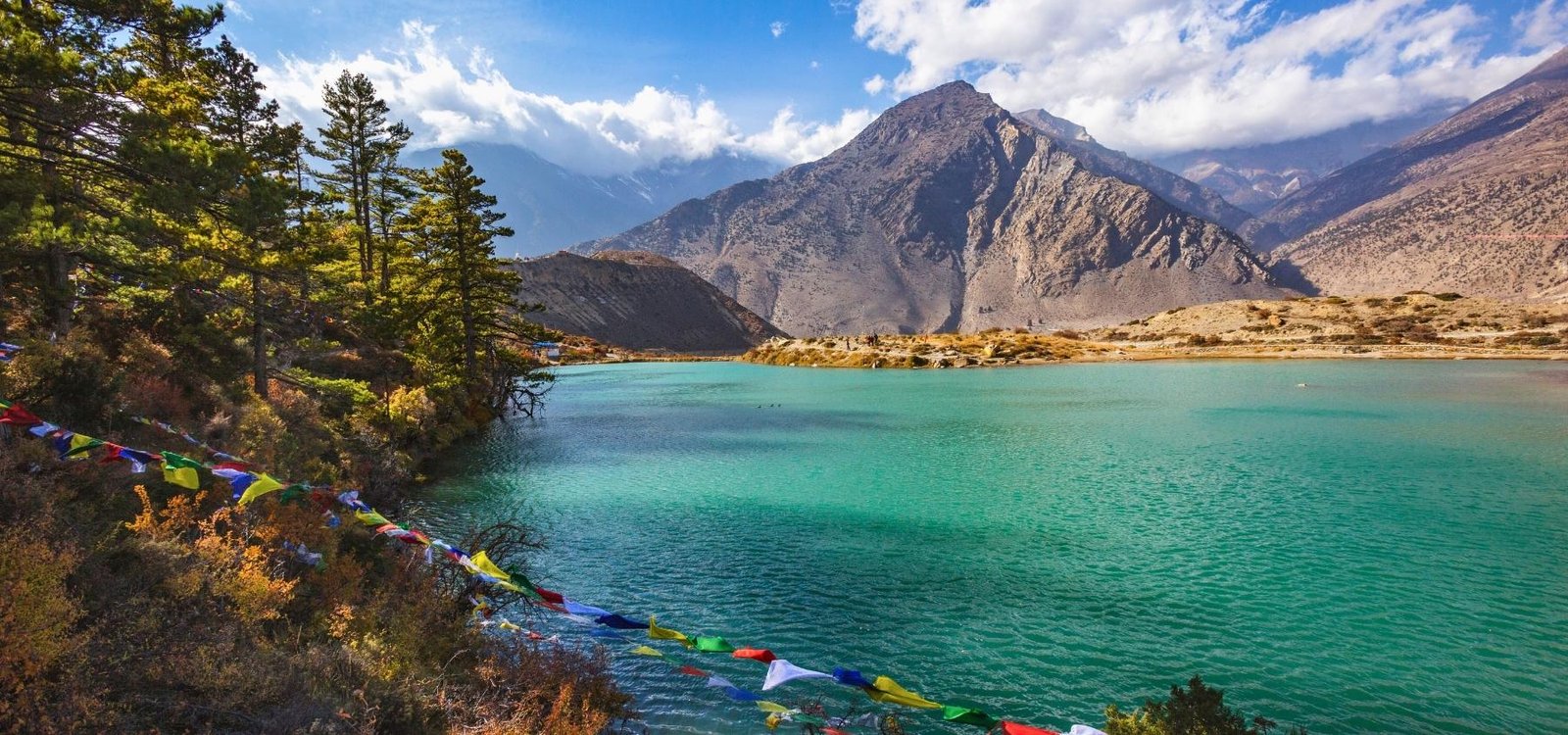
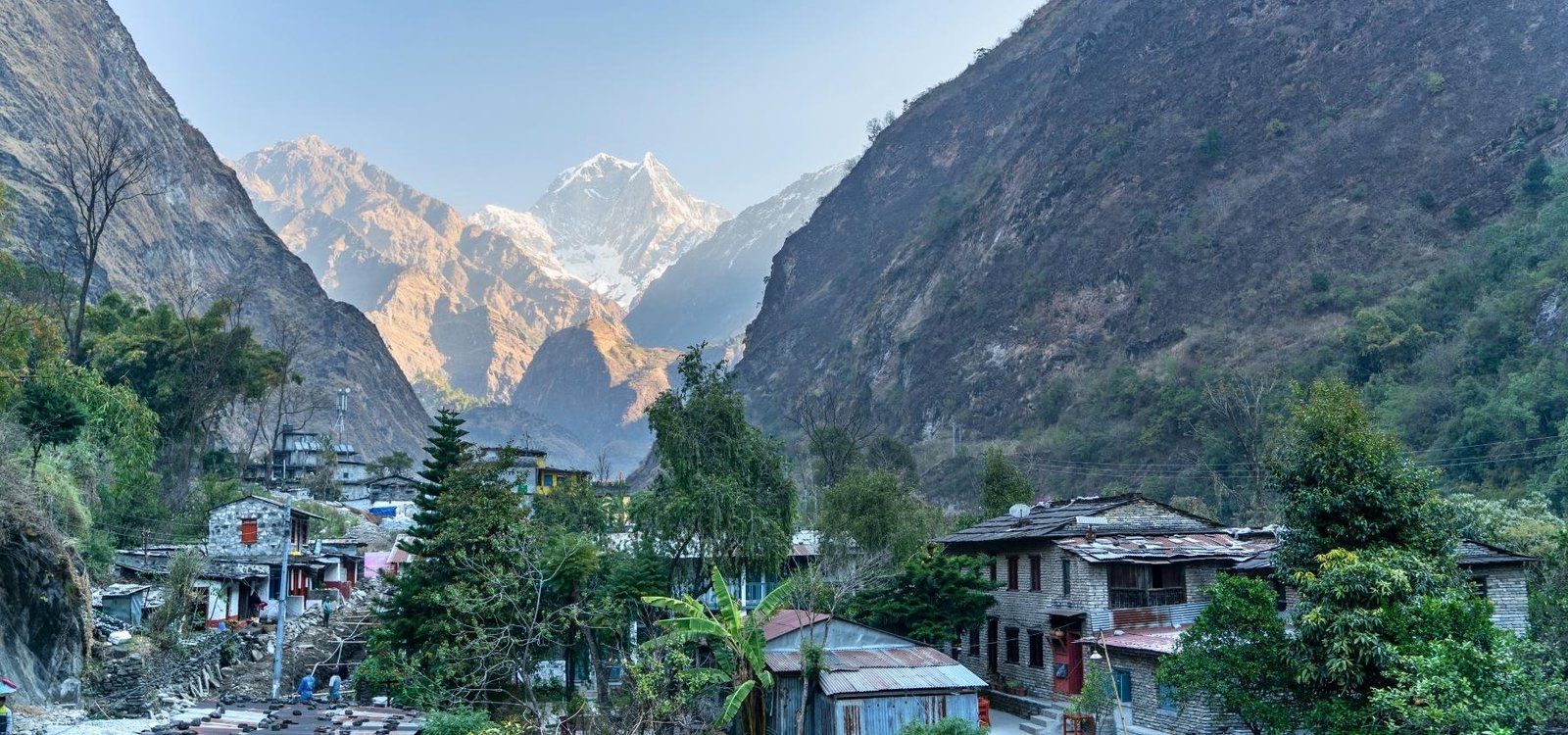
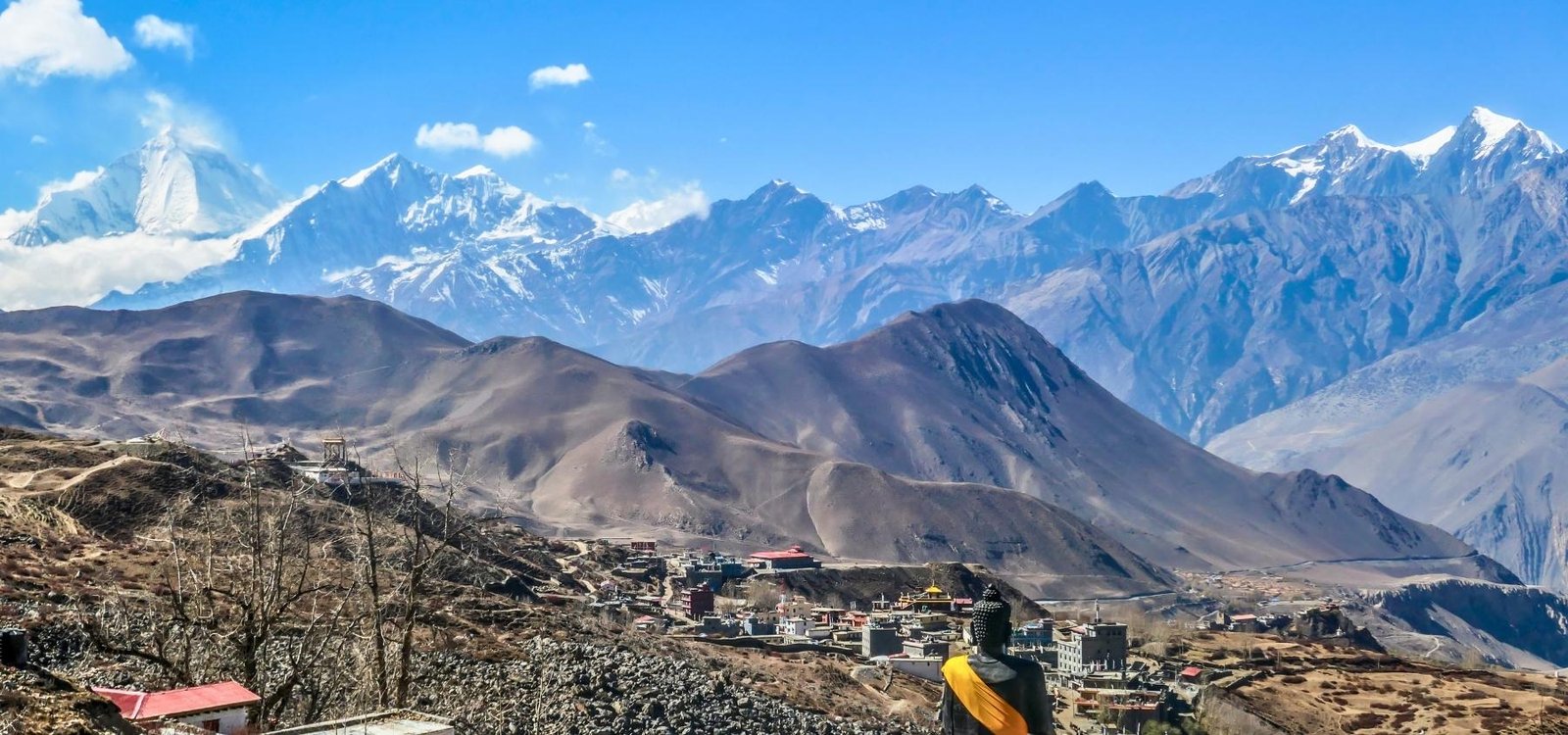
Trekkers embarking on this 14-day odyssey can expect a profound journey of contrast, transitioning from the lush, subtropical rhododendron forests and terraced farmlands of the lower Annapurna foothills into the stark, rain-shadow beauty of the Mustang region. You will encounter a seamless blend of cultural immersion—ranging from the vibrant Magar and Gurung villages to the ancient, medieval-style stone settlements of the Thakali people—alongside the spiritual gravity of the sacred Muktinath temple. As you traverse the Kali Gandaki Valley, the world’s deepest gorge, expect ever-changing vistas of 8,000-meter giants like Dhaulagiri and Annapurna I, accompanied by the legendary afternoon winds of the high plateau and the warm hospitality of authentic Himalayan teahouses.
Welcome to Nepal! As you step out of Tribhuvan International Airport, a friendly face from Ghale Treks will greet you and help you with your transfer to the hotel. Once you’re settled in, take the rest of the day to unwind or explore the bustling streets of Kathmandu at your leisure. Perhaps you’ll find a small café to savor some local delicacies or wander through the historic alleyways.
Depart from Kathmandu at 7:00 AM via a comfortable tourist bus. Enjoy a scenic 200 km drive along the Trishuli and Marsyangdi rivers, arriving in Pokhara after approximately 6–7 hours. Overnight at a selected hotel near Lakeside.
After breakfast, take a scenic drive to Tikhedhunga (approx. 2.5 hours). Begin your trek with a steady climb toward the Magar village of Ulleri (1,960m). The walk takes about 5 hours through terraced hillsides. Overnight at a local lodge.
Trek through beautiful rhododendron and oak forests. A 5–6 hour walk brings you to the vibrant village of Ghorepani (2,860m), offering stunning glimpses of the Annapurna and Dhaulagiri ranges. Overnight at a local lodge.
Early morning hike to Poon Hill (3,210m) for a breathtaking Himalayan sunrise. Return to Ghorepani for breakfast, then descend for about 7 hours to the natural hot springs of Tatopani (1,120m). Overnight at a local lodge.
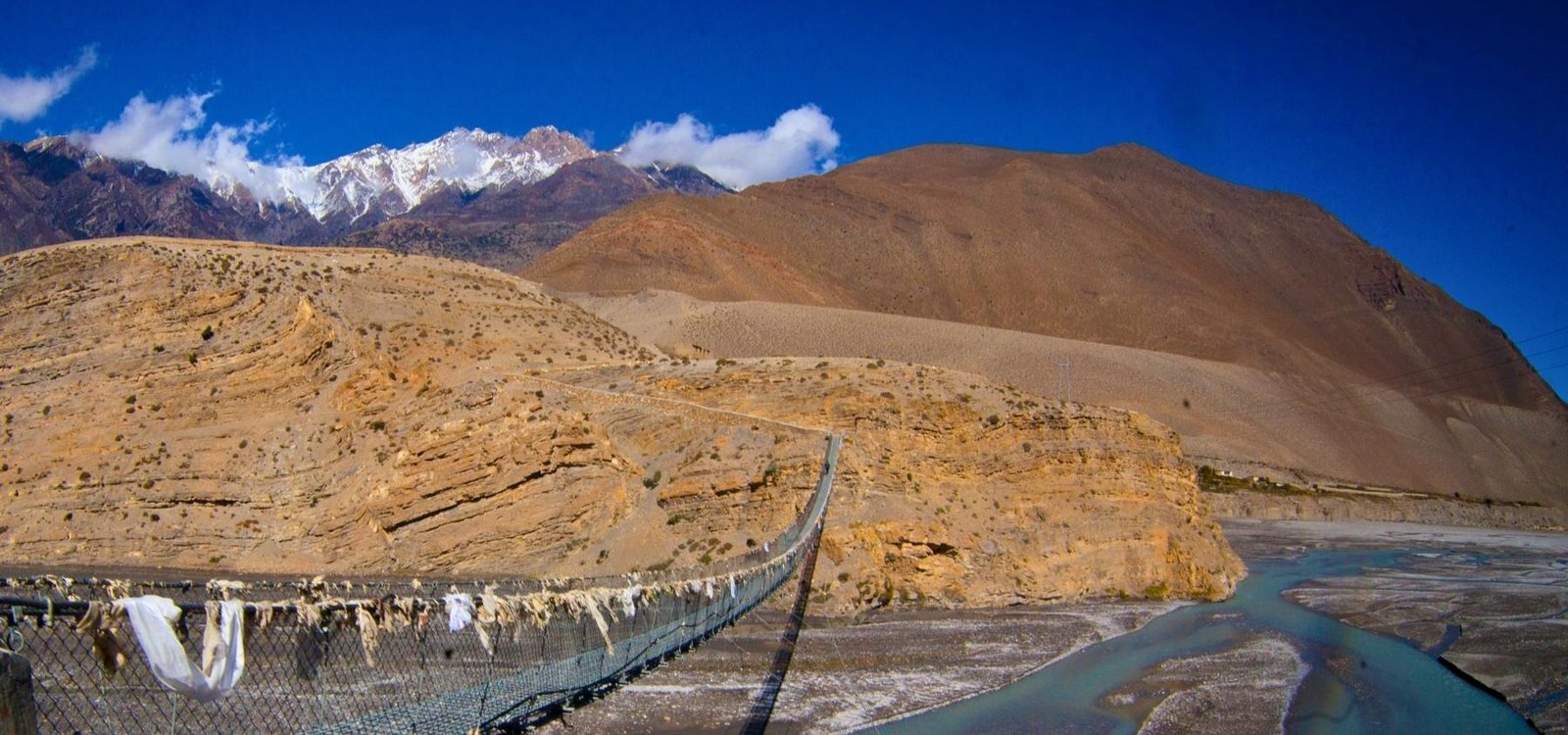
Follow the Kali Gandaki River, passing through the world’s deepest gorge. This 5–6 hour trek leads you to Ghasa (2,450m), a beautiful village marking the transition into the Mustang region. Overnight at a local lodge.
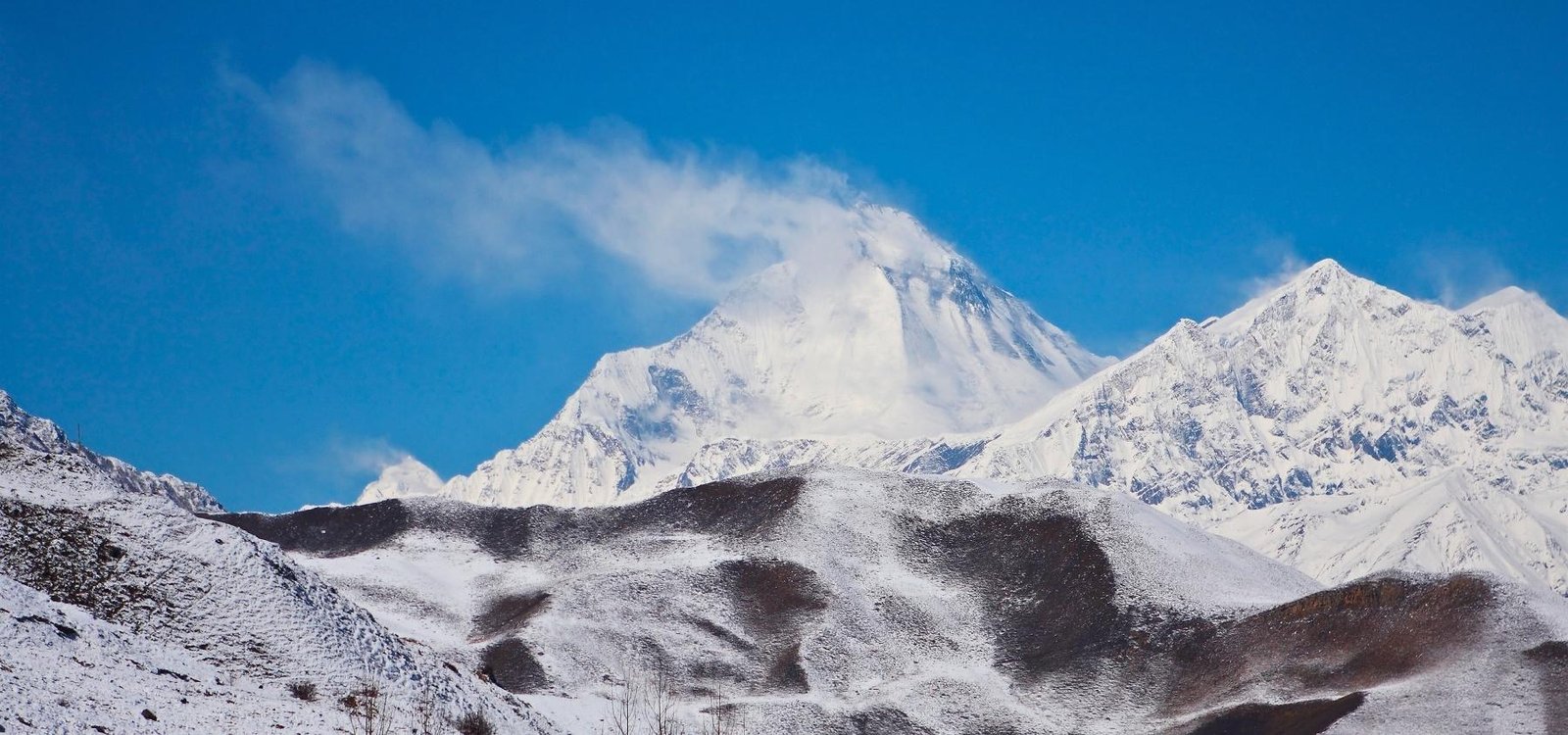
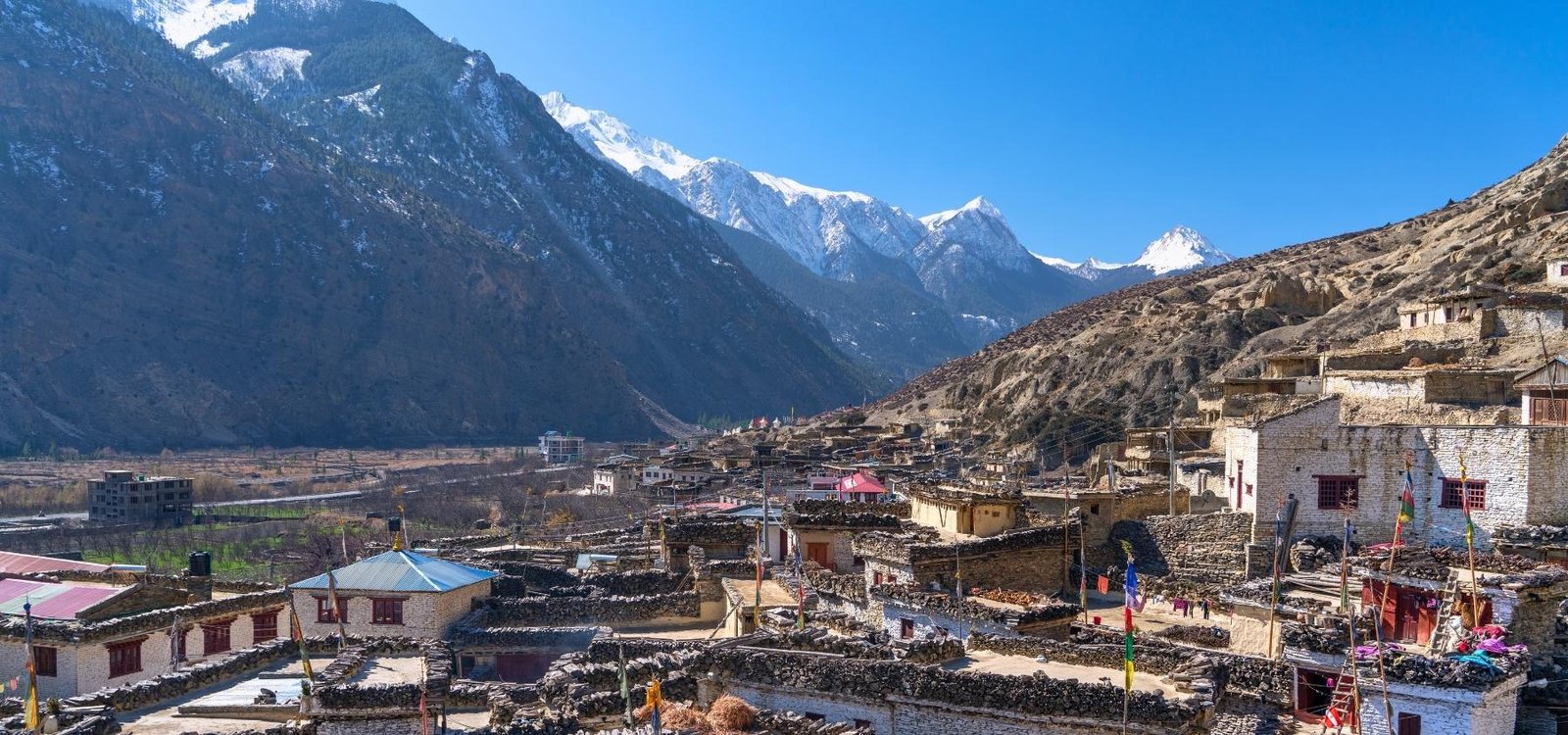
Trek for approximately 6 hours through pine forests and apple orchards. Arrive in Tukuche (2,732m), a traditional Thakali village known for its unique culture and views of Dhaulagiri. Overnight at a local lodge.
A pleasant 3-hour walk through the windy Kali Gandaki valley leads to Jomsom (2,743m), the administrative hub of the Mustang district. Enjoy the afternoon exploring the local market. Overnight at a local lodge.
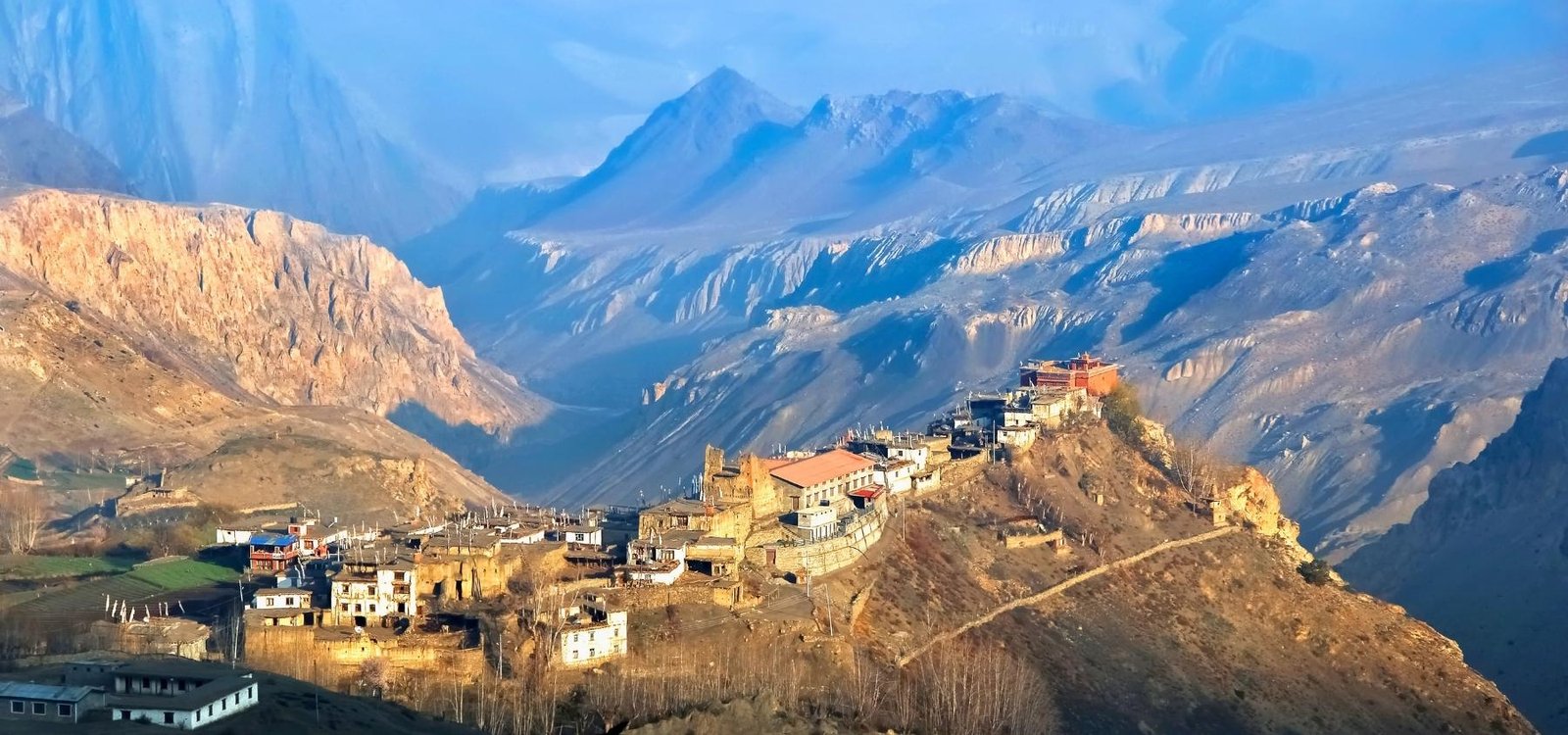
Trek for about 3 hours along the sandy riverbed to reach Kagbeni (2,980m). This ancient village serves as the gateway to Upper Mustang and features narrow alleys and mud-brick houses. Overnight at a local lodge.
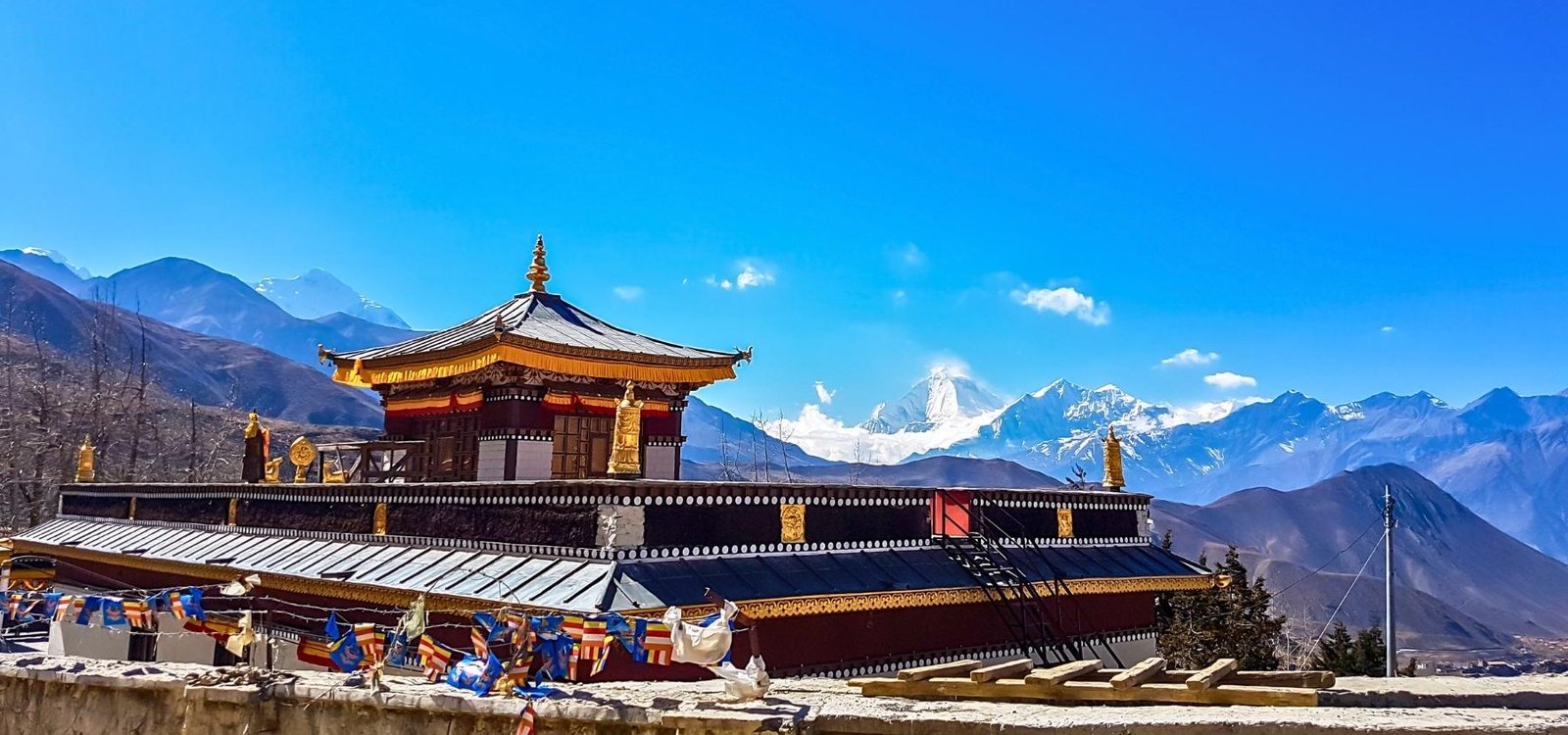
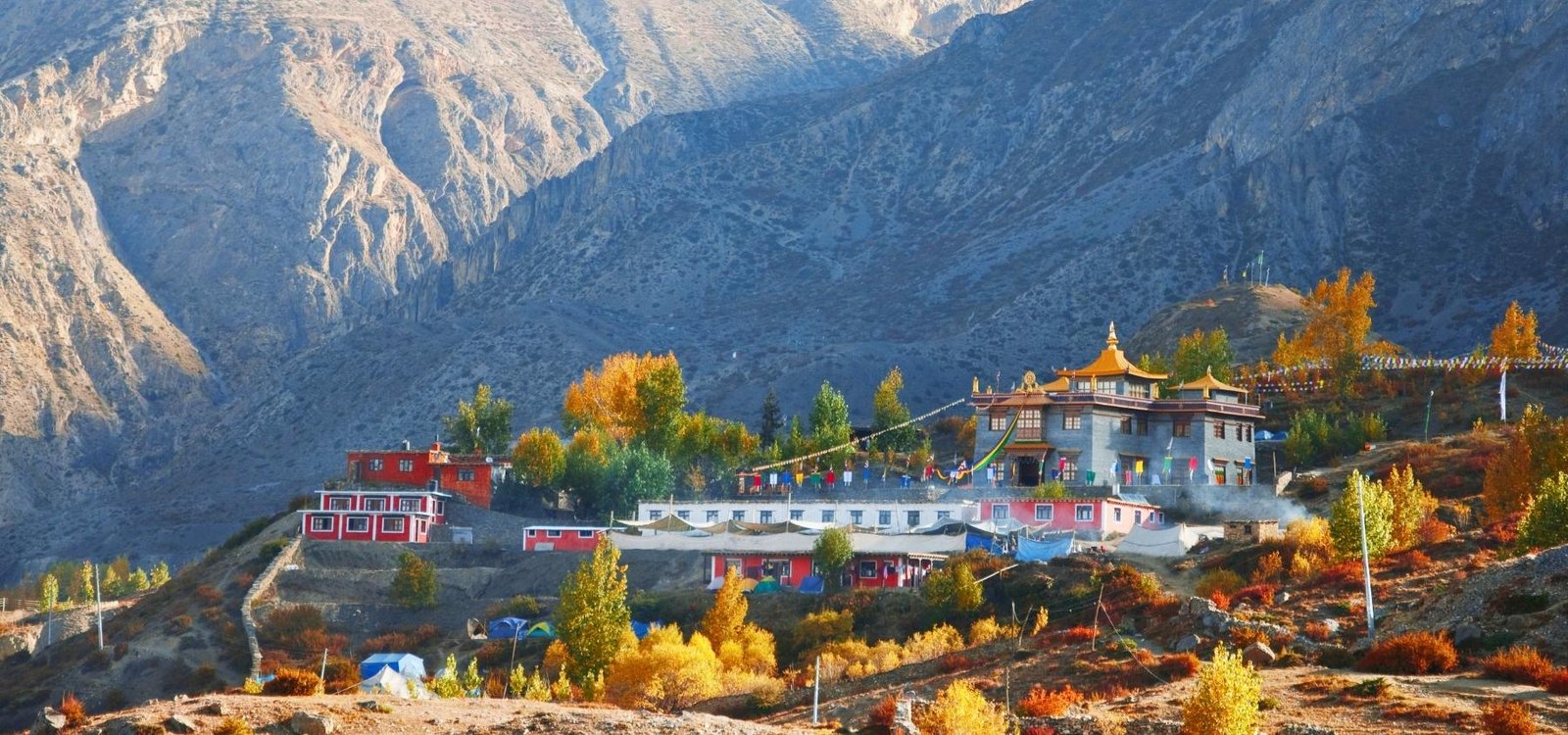
Follow a steep ascent for 4 hours to the sacred pilgrimage site of Muktinath (3,800m). Visit the temple complex, home to 108 water sprouts and the eternal flame. Overnight at a local lodge.
Trace your steps back down to Jomsom, a 5-hour walk offering a different perspective of the surrounding Nilgiri and Dhaulagiri peaks. Overnight at a local lodge.
Take an early morning, 25-minute scenic flight back to Pokhara. Transfer to your hotel by the lake. The rest of the day is yours for relaxation or exploring the shops and cafes of Lakeside. Overnight at a selected hotel.
Depart Pokhara at 7:30 AM via tourist bus for the return journey to Kathmandu (6–7 hours). Your trek concludes upon arrival in the capital.
After breakfast, you will be transferred to Tribhuvan International Airport for your onward flight. We wish you a safe journey home and hope to welcome you back to the Himalayas soon.
Best Time to Trek
Autumn (September to November): This is the premier season for Mustang, offering the crispest views of Dhaulagiri and Nilgiri with exceptionally stable weather and clear blue skies.
Spring (March to May): A spectacular time to witness the blooming rhododendrons in the lower reaches and the vibrant apple blossoms in the orchards of Marpha and Tukuche.
Physical Preparation
Fitness Level: A moderate level of fitness is required. We recommend engaging in cardiovascular training and leg-strengthening exercises at least 6 weeks prior to your arrival in Kathmandu.
Medical Check-up: As we reach an altitude of 3,800m, please consult your physician to ensure you are fit for high-altitude trekking and to discuss any personal medication needs.
Permits and Documentation
Trekking Permits: Ghale Treks will handle the procurement of your Annapurna Conservation Area Permit (ACAP) and TIMS card. Please ensure your passport copies are submitted to us in advance.
Travel Insurance: It is mandatory to have a policy that covers trekking up to 4,000m and includes emergency helicopter evacuation—a vital safety net in the Himalayas.
Packing Essentials
Clothing: Use a layering system (base, insulation, and shell). A heavy down jacket is essential for Jomsom’s cold mornings and a windproof jacket for the Kali Gandaki’s afternoon gusts.
Gear: Sturdy, broken-in trekking boots are a must. We provide a professional duffel bag and a trekking map; however, we recommend bringing your own four-season sleeping bag.
Personal Items: High-SPF sunscreen and polarized sunglasses are critical due to the intense UV rays on the high mountain plateau.
Accommodation and Meals
Lodging: You will stay in our hand-picked 3-star hotels in the cities and the best available local tea houses and lodges on the trail, offering a blend of comfort and authentic hospitality.
Food: All meals are included during the trek. We recommend trying the local Thakali Dal Bhat and the famous organic apples of Mustang for a true taste of the region.
Guides and Porters
Expert Guides: You will be accompanied by a government-licensed, English-speaking guide from our senior team, ensuring your safety and providing deep insights into local culture.
Porters: Our professional porter team will carry your main luggage (1 porter per 2 trekkers), leaving you free to enjoy the trail with only a light daypack.
Cultural Sensitivity
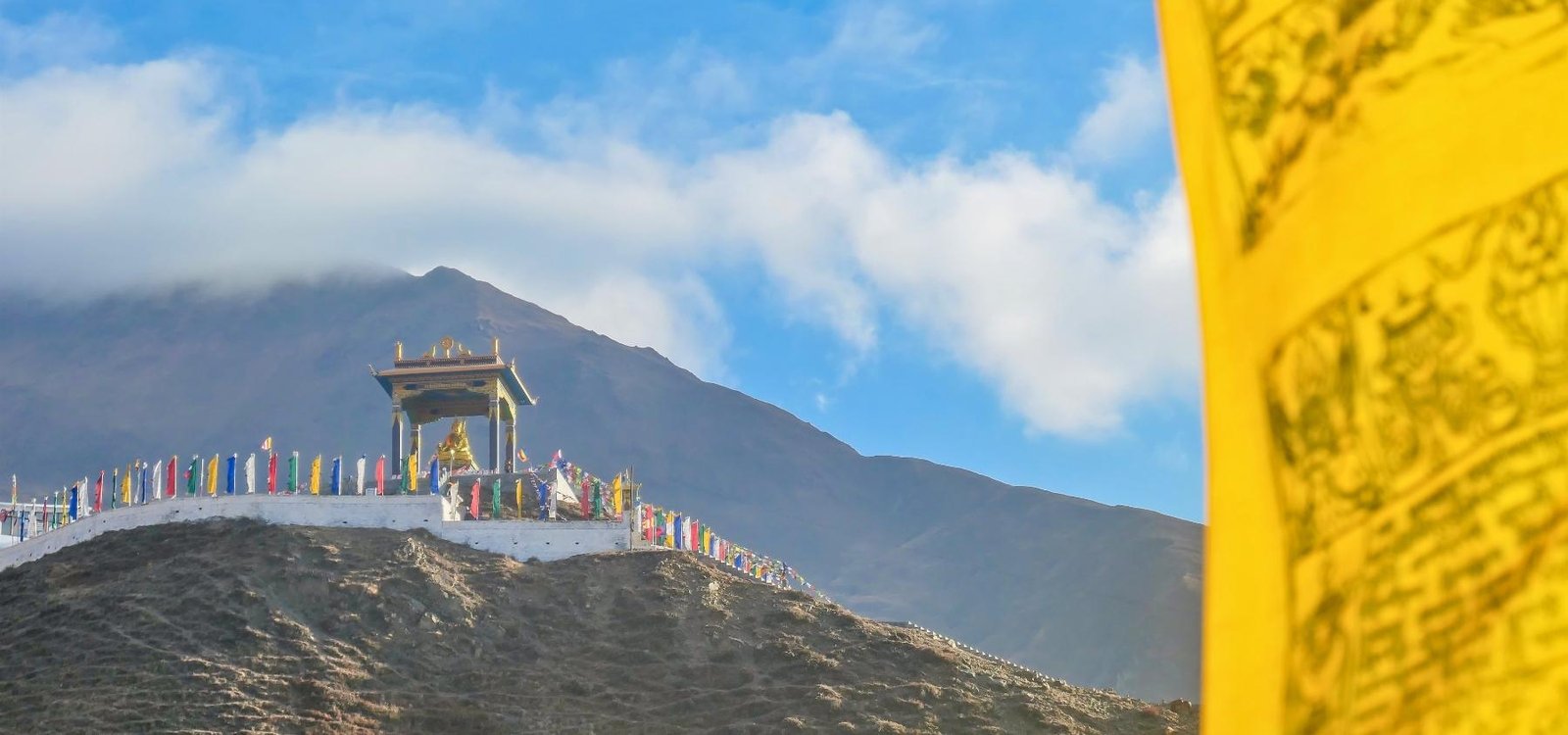
Respect Local Customs: The Jomsom-Muktinath route is deeply spiritual. Always walk clockwise around mani walls and stupas, and ask for permission before taking photos of locals or inside temples.
Spiritual Etiquette: When visiting the sacred Muktinath temple, please dress modestly and remove your shoes where indicated to respect Hindu and Buddhist traditions.
Health and Safety
Altitude Sickness: Our itinerary includes strategic stops to ensure proper acclimatization. Inform your guide immediately if you experience headaches or dizziness.
Hydration: Proper hydration is your best defense against altitude. Aim to drink at least 3–4 liters of water daily; your guide will assist with safe water refill points.
Environmental Responsibility
Responsible Tourism: In line with our CSR commitment, Ghale Treks follows “Leave No Trace” principles. We provide waste management guidance and discourage the use of single-use plastics.
Sustainability: By trekking with us, you support local community initiatives and environmental preservation projects within the Annapurna Conservation Area.
To ensure you are fully prepared for the diverse climates and rugged terrain of the Jomsom-Muktinath route, I have compiled a comprehensive packing list. At Ghale Treks, we recommend a “layering” approach to handle the transition from the lush valleys to the high-altitude winds of Mustang.
Base Layers: Moisture-wicking thermal tops and bottoms (merino wool is ideal) to regulate body temperature.
Trekking Shirts: 3–4 lightweight, breathable long-sleeve shirts to protect against sun and wind.
Trekking Pants: 2 pairs of quick-dry, convertible hiking trousers and one pair of warm fleece pants for evenings.
Insulation Layer: A high-quality fleece jacket or a mid-weight “puffer” to retain core warmth.
Outer Shell: A windproof and waterproof Gore-Tex jacket and trousers for protection against mountain weather.
Down Jacket: A heavy-duty down jacket (rated to -10°C) is essential for cold mornings and high-altitude nights.
Trekking Boots: Sturdy, waterproof boots with excellent ankle support (ensure they are well broken-in before arrival).
Camp Shoes: Lightweight sandals or Crocs to wear in the teahouses after a long day of trekking.
Socks: 4 pairs of wool-blend trekking socks and 2 pairs of thinner liner socks to prevent blisters.
Headwear: A wide-brimmed sun hat for daytime and a warm wool beanie for the cold nights.
Daypack: A 20–30L backpack with a rain cover to carry your daily essentials (water, camera, layers).
Sleeping Bag: A 4-season sleeping bag (rated -15°C) to ensure comfort in mountain lodges.
Trekking Poles: Highly recommended for stability during the descent from Muktinath.
Hydration: Two 1-liter reusable water bottles and water purification tablets or a filter.
Sun Protection: High SPF sunscreen, lip balm with UV protection, and polarized sunglasses.
Toiletries: Travel-sized biodegradable soap, quick-dry towel, wet wipes, and hand sanitizer.
First Aid: Personal medications, blister tape (Compeed), and rehydration salts.
Passport: Must be valid for at least six months beyond your trip dates.
Visa: A valid Nepalese entry visa (obtainable on arrival at Tribhuvan International Airport).
Photos: 4 passport-sized photographs (required for trekking permits and local SIM cards).
Insurance: A printed copy of your travel insurance policy (must include emergency helicopter evacuation).
Cash: Sufficient Nepalese Rupees for personal expenses, tips, and snacks (ATMs are rare on the trail).
Permits: Your ACAP and TIMS permits (which our team at Liberty Holidays will have ready for you).
Altitude and Acclimatization: While the Jomsom-Muktinath Trek is categorized as moderate, you will reach an elevation of 3,800 meters (12,467 feet) at Muktinath. Our itinerary is designed for steady acclimatization; however, it is essential to monitor your body for signs of altitude sickness, such as persistent headaches or nausea. If symptoms arise, notify your Liberty Holidays guide immediately—they are trained to prioritize your safety and assist with necessary descent.
Local Currency: The Nepalese Rupee (NPR) is the primary currency. While ATMs are available in Kathmandu, Pokhara, and Jomsom, they can occasionally be out of service. We advise carrying sufficient cash in small denominations for personal expenses like snacks, hot showers, and charging electronics at teahouses in smaller villages like Kagbeni or Jharkot.
Connectivity and Charging: Mobile network coverage (Ncell/NTC) is generally reliable up to Jomsom but can become intermittent as you move toward Muktinath. Most teahouses offer Wi-Fi and charging stations for a small fee; however, we recommend bringing a portable power bank, as charging points are often limited in high-altitude lodges.
Photography Tips: The stark, lunar-like landscapes of the Mustang region provide unparalleled photography opportunities. Always respect local privacy by asking for permission before photographing residents or religious ceremonies. Please note that photography is strictly prohibited inside the inner sanctum of the Muktinath temple and certain ancient monasteries.
The “Jomsom Wind” Awareness: The Kali Gandaki Valley is famous for strong, dust-laden winds that typically begin around noon. To ensure a comfortable experience, our team schedules early morning departures. We highly recommend keeping a buff or scarf and polarized sunglasses accessible to protect your face and eyes during these windy stretches.
Cultural Etiquette: When visiting sacred sites, always walk in a clockwise direction around stupas, mani walls, and temples. A polite “Namaste” is the standard greeting. In the spiritual enclave of Muktinath, please dress modestly (covering shoulders and knees) and remove your shoes before entering any temple or monastery.
Emergency Contact Information: Before departure, Ghale Treks provides you with a 24/7 emergency contact number. Your guide also maintains direct communication with our Kathmandu headquarters and local authorities to coordinate logistics or medical evacuations if weather conditions impact your Jomsom-Pokhara flight.
Food and Water Safety: To support our “Responsible Tourism” initiative, we discourage the use of single-use plastic bottles. Please use reusable bottles filled with boiled or UV-treated water provided at the lodges. While we select teahouses known for their hygiene, we recommend sticking to freshly cooked, hot meals and avoiding raw salads while on the trail.
Fitness and Health Maintenance: The dry air of the rain-shadow region can lead to dehydration and “Mustang cough.” Maintain your energy levels by staying hydrated—drinking 3 to 4 liters of water daily—and doing light stretching each evening to help your muscles recover from the rocky terrain.
Group Dynamics: Whether you are traveling solo or in a group, open communication with your guide regarding your walking pace is key. Our team ensures a supportive environment where every trekker can enjoy the journey at a comfortable speed, fostering a sense of camaraderie and shared adventure.